






You are here
Previous Sustainable Development Finance Work
Here you can find a full list of CGD's archived work on Sustainable Development. For more information, reach out to Luisa Mendoza at lmendoza@cgdev.org.
Get Development Finance Updates
More on Previous Sustainable Development Finance Work
Parent Topic
Related Previous Sustainable Development Finance Work Content

The world is in the throes of a health, economic, and social crisis due to the COVID-19 pandemic. Slower global growth has significantly worsened the economic prospects for all countries, including the poorest ones. Low-income countries (LICs) are also finding it more difficult to service their external debt as well as to access private capital—concessional and non-concessional


Pages
Kiva is the path-breaking, fast-growing person-to-person microlending site. It works this way: Kiva posts pictures and stories of people needing loans. You give your money to Kiva. Kiva sends it to a microlender. The lender makes the loan to a person you choose. He or she ordinarily repays. You get your money back with no interest. It's like eBay for microcredit. You knew that, right? Well guess what: you're wrong, and so is Kiva's diagram. Less that 5% of Kiva loans are disbursed after they are listed and funded on Kiva's site.
Don't get me wrong: sarcastic headline aside, I'm not in favor of the exploitation of children.
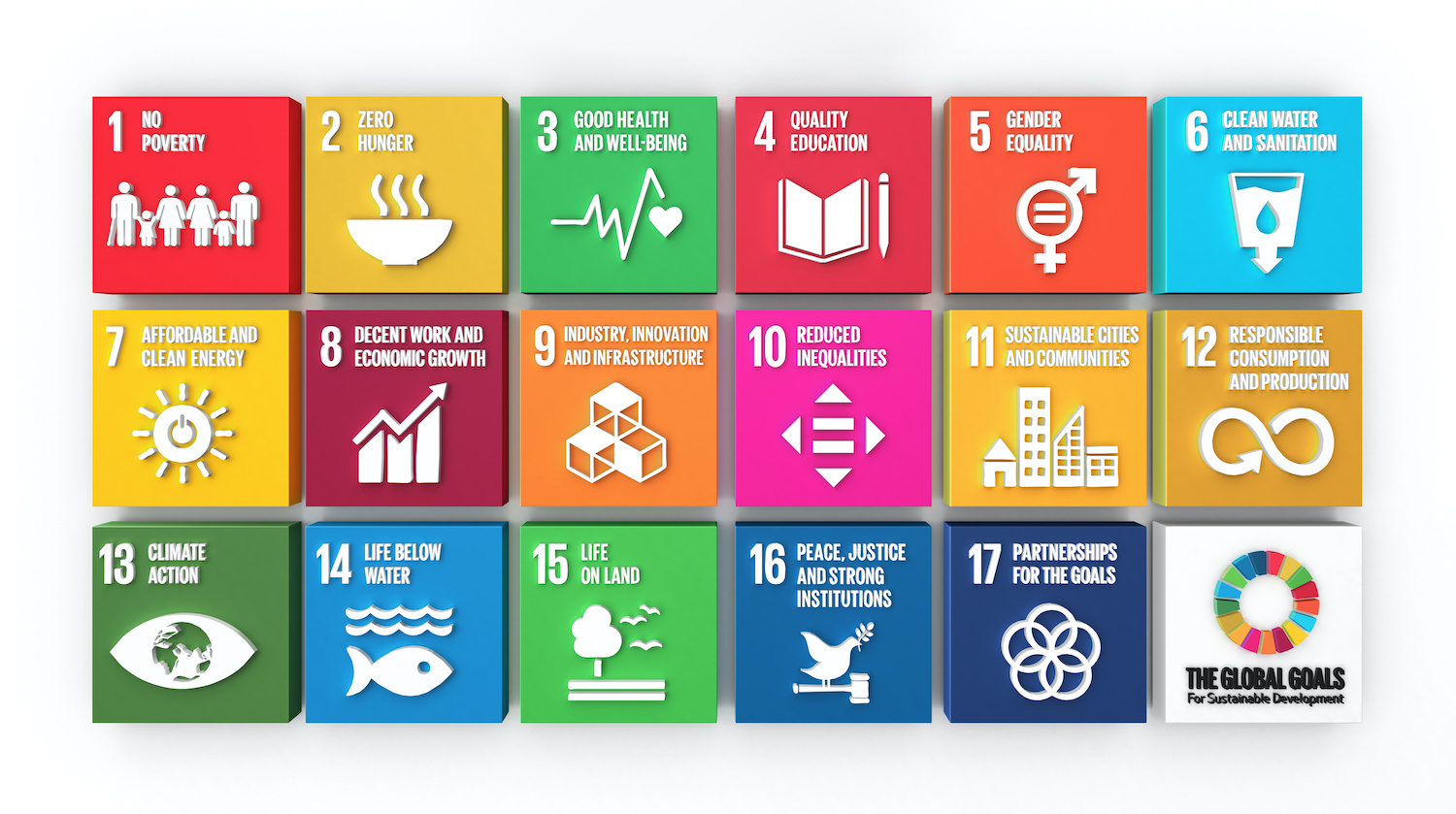
The United Nations Statistical Commission’s Interagency and Expert Group on SDG Indicators (IAEG-SDGs) agreed on 230 individual indicators to monitor the 17 goals and 169 targets of the SDGs. We now have a complete picture of the SDG agenda for the next 15 years, right? Not quite.
I'm seen as an expert on microfinance. I'm writing a book about microfinance. I blog about microfinance.
Readers of David Roodman's Microfinance Open Book Blog will immediately recognize his thorough, straightforward, and trenchant analysis of whether microfinance is the boon many think it is.
Reworking the final chapter, I realized I needed to understand better what is called the "financing structure" of mic
The Multilateral Debt Relief Initiative (MDRI), the latest phase of debt reduction for poor countries from the World Bank, the IMF, and the African Development Bank, will come close to full debt reduction for at least 19 and perhaps as many as 40 countries. Debt relief proponents see it as a momentous leap in the battle against global poverty. CGD research fellow Todd Moss argues that actual gains in poverty reduction will be modest and slow.
Two influential movements within the development industry collided head-on this month: the microcredit movement and the movement to subject development policies to rigorous impact evaluation.
Pages
There is no content currently that matches this filter.


Commentary Menu