
Recommended
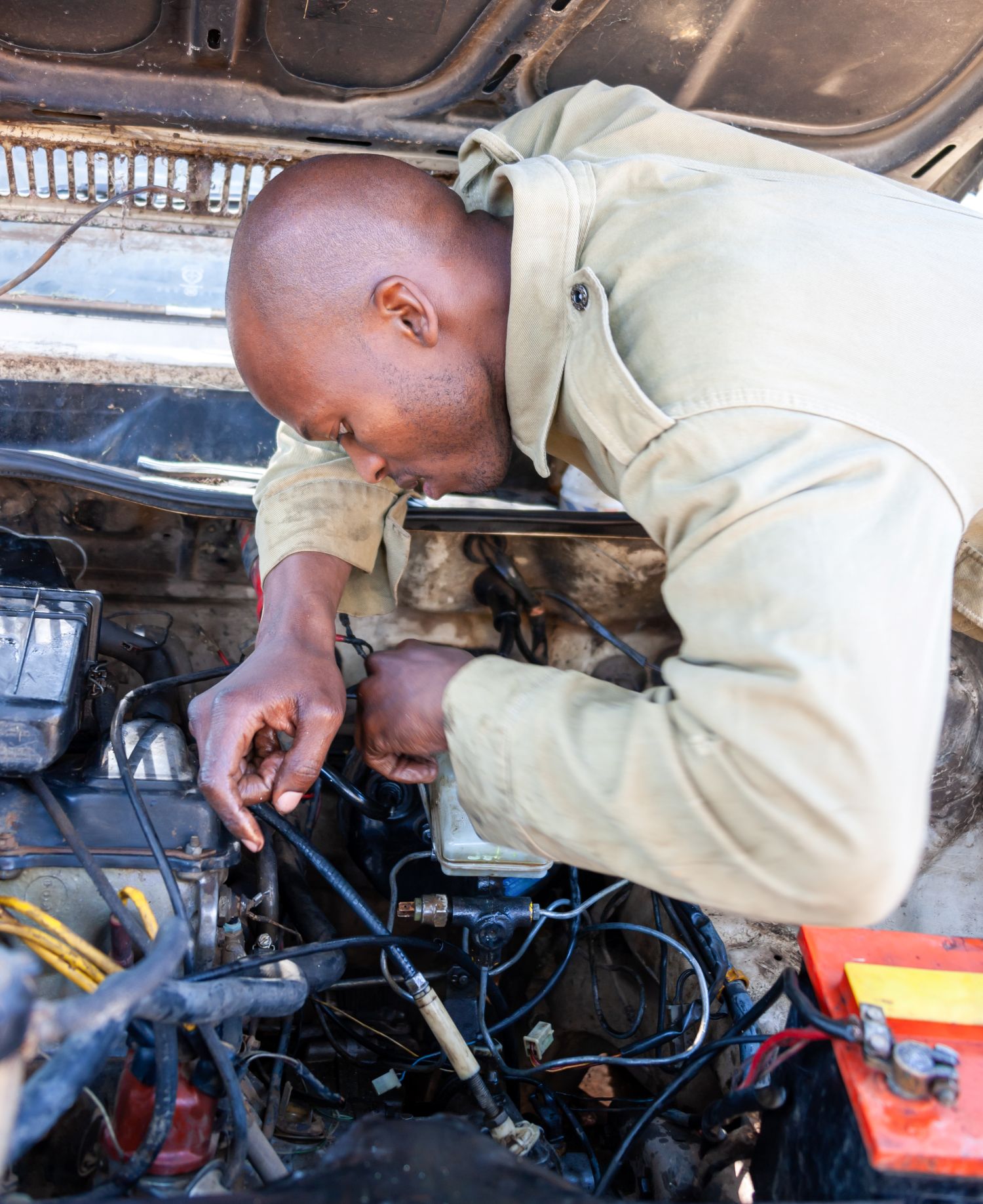
Access to electricity is a cornerstone of sustainable development, and a basic prerequisite for modern agriculture and industry. Despite significant recent progress, 677 million people still lacked access to electricity in 2023, of which an estimated 87 percent live in sub-Saharan Africa, and most live in low-density rural, remote, or conflict-affected areas without functional electrical grids. In these contexts, rapid electrification—a political and development imperative, and current focus of the World Bank-led Mission 300 initiative—relies heavily on off-grid solar systems, which are favored for their quick and flexible deployment, zero recurrent costs, and low-carbon footprint. Most off-grid solar systems in sub-Saharan Africa use lead-acid batteries for energy storage, which can create severe risks of environmental lead pollution and human lead exposure in the absence of safe disposal and recycling. Unsafe used lead-acid battery (ULAB) recycling is thought to be one of several important sources driving high rates of lead poisoning in sub-Saharan Africa.
This paper investigates the role of lead in off-grid electrification across sub-Saharan Africa, including trends in off-grid technologies; the health and safety risks associated with ULAB recycling within sub-Saharan Africa; and a deep-dive market analysis of the off-grid solar sector. While there is high uncertainty, we estimate that the off-grid solar sector generates between 250,000 and 1.5 million tonnes of ULAB waste per year, accounting for 13 to 47 percent of total ULAB waste volumes in the region. We conclude with a discussion of findings and actionable recommendations to improve collection and recycling practices within sub-Saharan Africa.
Topics
CITATION
Bonnifield, Rachel, and Caroline Mallory. 2026. Lead-Safe Off-Grid Electrification: Understanding the Issues in Sub-Saharan Africa. Center for Global Development.DISCLAIMER & PERMISSIONS
CGD's publications reflect the views of the authors, drawing on prior research and experience in their areas of expertise. CGD is a nonpartisan, independent organization and does not take institutional positions. You may use and disseminate CGD's publications under these conditions.
Thumbnail image by: IAfrica/WikiMedia Commons