You are here

Topics:
Bio
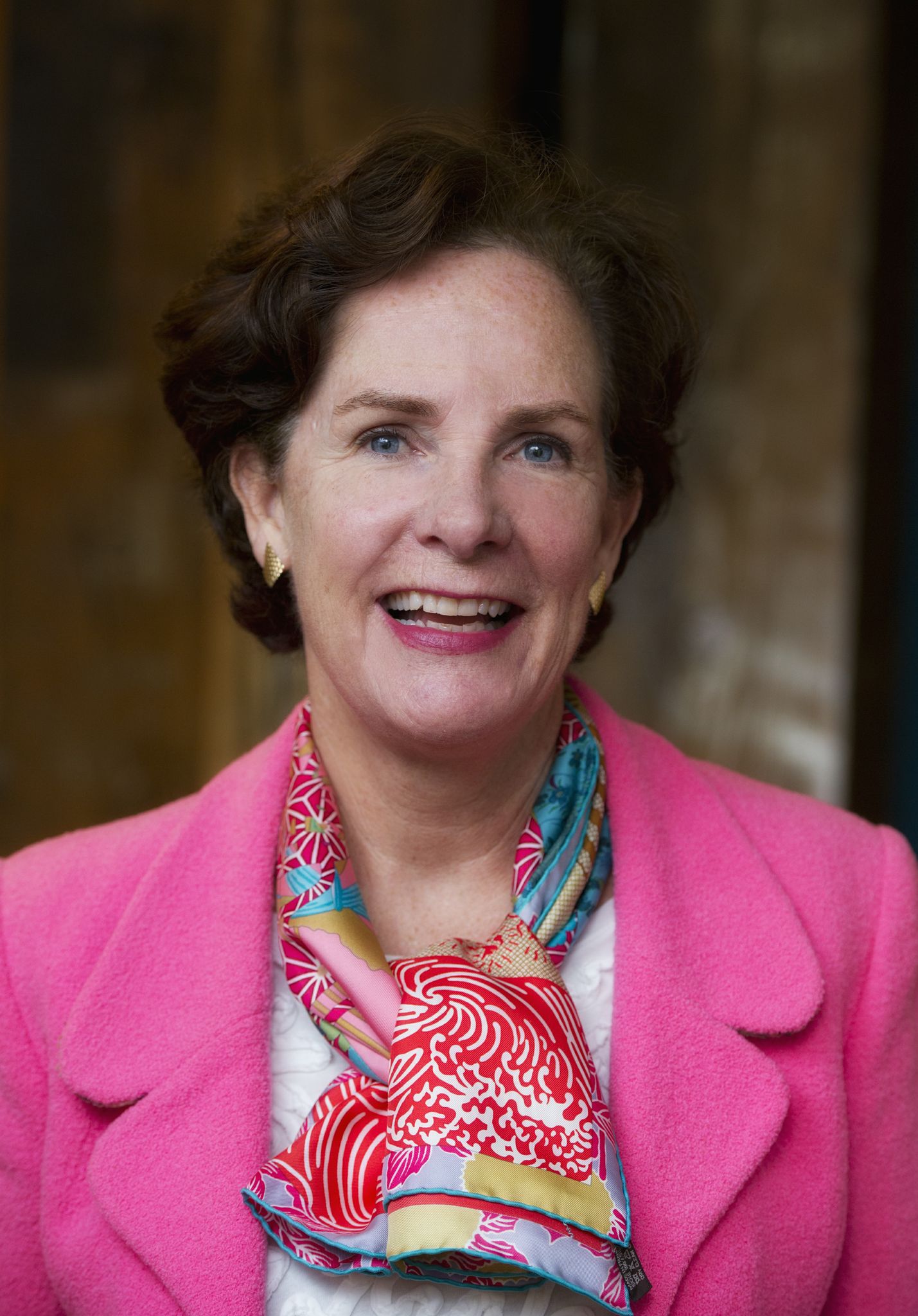
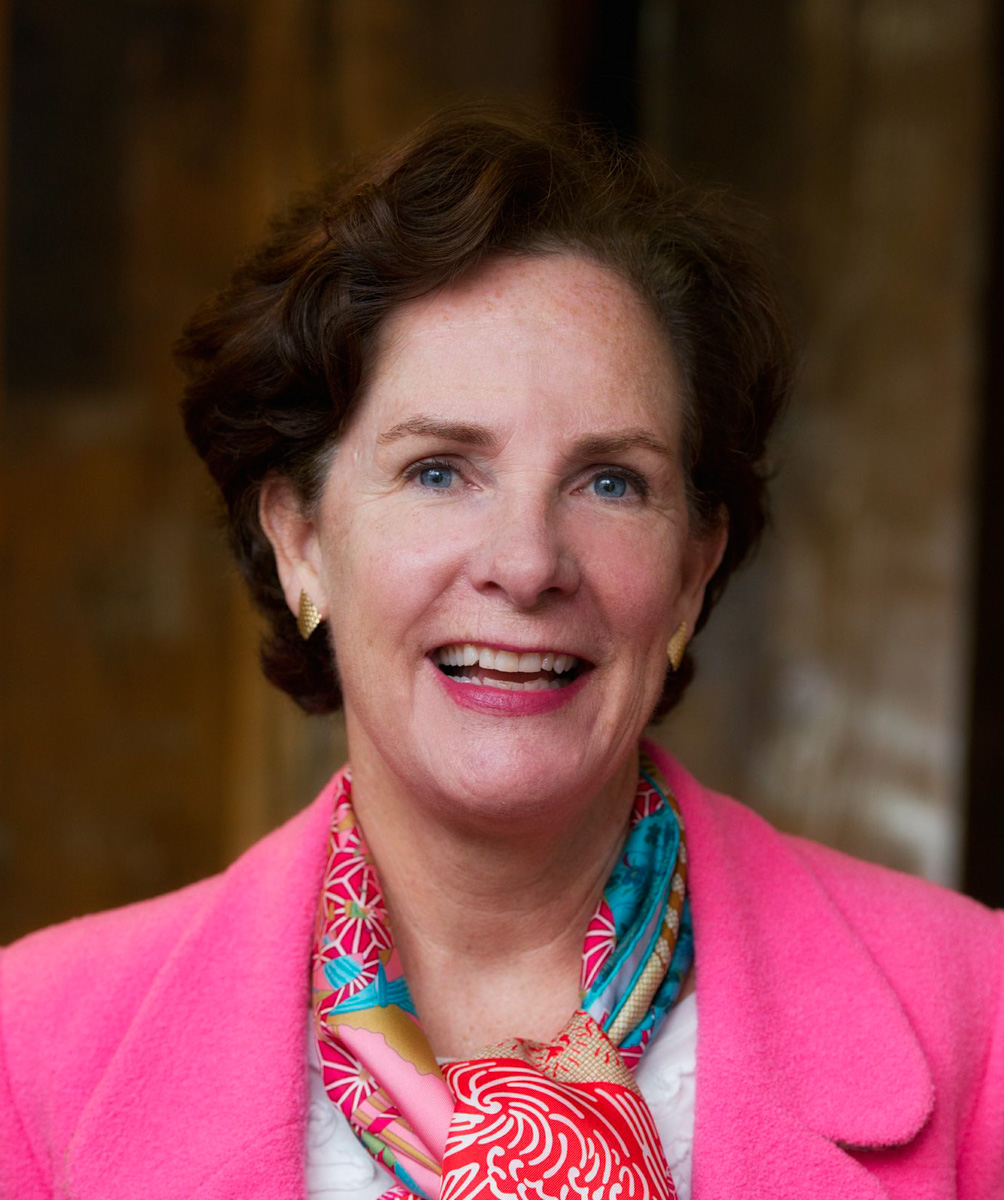
Michele de Nevers is a Visiting Fellow at the Center for Global Development specializing in climate finance issues. Before joining CGD she was a Visiting Fellow at the Global Economic Governance Programme at University College, Oxford. From 1981 to 2010 she worked for the World Bank, including as Senior Manager of the Environment Department and Director at the World Bank Institute. In the Environment Department she led the preparation of the WB's corporate Environment Strategy and the global consultations on the Bank’s Strategic Framework for Development and Climate Change Michele holds an MS in Management, with a concentration in Finance, from MIT and a BA in Bacteriology from the University of California, Berkeley.
Media Contact
Eva Grant
egrant@cgdev.org
In the News
More From Michele de Nevers
This paper outlines the proposed governance arrangements for the TFFF. The performance payments would be allocated as part of a global offer, available to all countries with extensive tropical forests that meet the performance standards.
This paper explains proposed options for assessing performance and allocating returns to the TFFF to achieve these objectives.
This paper outlines the proposed financing strategy for the pay-for-performance financing facility. The performance payments would be distributed as part of a global offer, available to all countries with extensive tropical forests.
The Tropical Forest Finance Facility is an attempt to generate significant new finance to fund pay-for-performance incentives for tropical forest conservation. The TFFF proposal includes two key innovations: 1) the way it will raise funds, by converting low-cost sovereign credit from mission-driven investor countries and companies into cash that can be used to drive change in developing countries, through an instrument similar to a sovereign wealth fund; and 2) the way it will distribute funds, using the Cash-On-Delivery aid approach that supports country ownership and only pays for results as they are achieved and verified.
The Climate Investment Funds (CIF) are a pair of multilateral trust funds that provide funding to 48 developing and middle income countries in support of low carbon and climate resilient development. The purpose of this paper is to assess “leverage” in projects that receive funding from the CIF. Evaluating leverage in CIF projects can contribute to understanding how limited public resources can be best used.
Pages
Protecting tropical forests is good for the global climate and good for development in forested countries. In the absence of robust carbon markets, performance-based funding to reduce emissions from deforestation is a key way donors can provide the incentives and commitment tropical countries need to curtail forest loss.
Tropical forests are undervalued assets in the race to avert catastrophic climate change. They deliver a global—and very public— benefit by capturing and storing atmospheric carbon.
Are climate finance contributor countries, multilateral aid agencies and specialized funds using widely accepted best practices in foreign assistance? How is it possible to measure and compare international climate finance contributions when there are as yet no established metrics or agreed definitions of the quality of climate finance? As a subjective metric, quality can mean different things to different stakeholders, while of donor countries, recipients and institutional actors may place quality across a broad spectrum of objectives.
Many obstacles to development transcend national borders and therefore cannot be adequately addressed within a single country. These include issues such as drug resistance and other cross-border health risks, financial crises contagion, money laundering, water scarcity, fisheries collapse and, of course, climate change. Economists call efforts to address these problems Global Public Goods (GPGs). Like other public goods, funding for GPGs is chronically in short supply: of $125 billion in annual official development assistance (ODA ) only about $3 billion goes to GPGs.
Imagine for a moment a world in which rich countries followed through on their rather vague promise at the 2009 climate conference in Copenhagen to mobilize $100 billion per year by 2020 to help developing countries reduce their emissions and cope with climate change. How should that money be spent?
This paper briefly summarizes how the FORMA tool and the fCPR rating system could provide provide a performance scorecard and an interim performance-based payments scheme for safeguarding forests.
Nancy Birdsall and Michele de Nevers propose a system for climate adaptation finance that builds off the lessons learned in development assistance.
Pages
This paper explains proposed options for assessing performance and allocating returns to the TFFF to achieve these objectives.
Are climate finance contributor countries, multilateral aid agencies and specialized funds using widely accepted best practices in foreign assistance? How is it possible to measure and compare international climate finance contributions when there are as yet no established metrics or agreed definitions of the quality of climate finance? As a subjective metric, quality can mean different things to different stakeholders, while of donor countries, recipients and institutional actors may place quality across a broad spectrum of objectives.


Commentary Menu