

Energy prices have spiked with the near-closure of the Strait of Hormuz and ongoing strikes on regional energy infrastructure. Even before this shock, many developing countries were increasingly vulnerable, pressured by high debt burdens, an unpredictable global trade environment, and unfavorable external financing conditions. As with other recent global shocks, those developing countries with already limited policy buffers will likely be hit the hardest, especially net commodity importers.
What are the transmission channels to watch?
Higher oil prices and exchange rate devaluation → inflation and rising external debt service costs
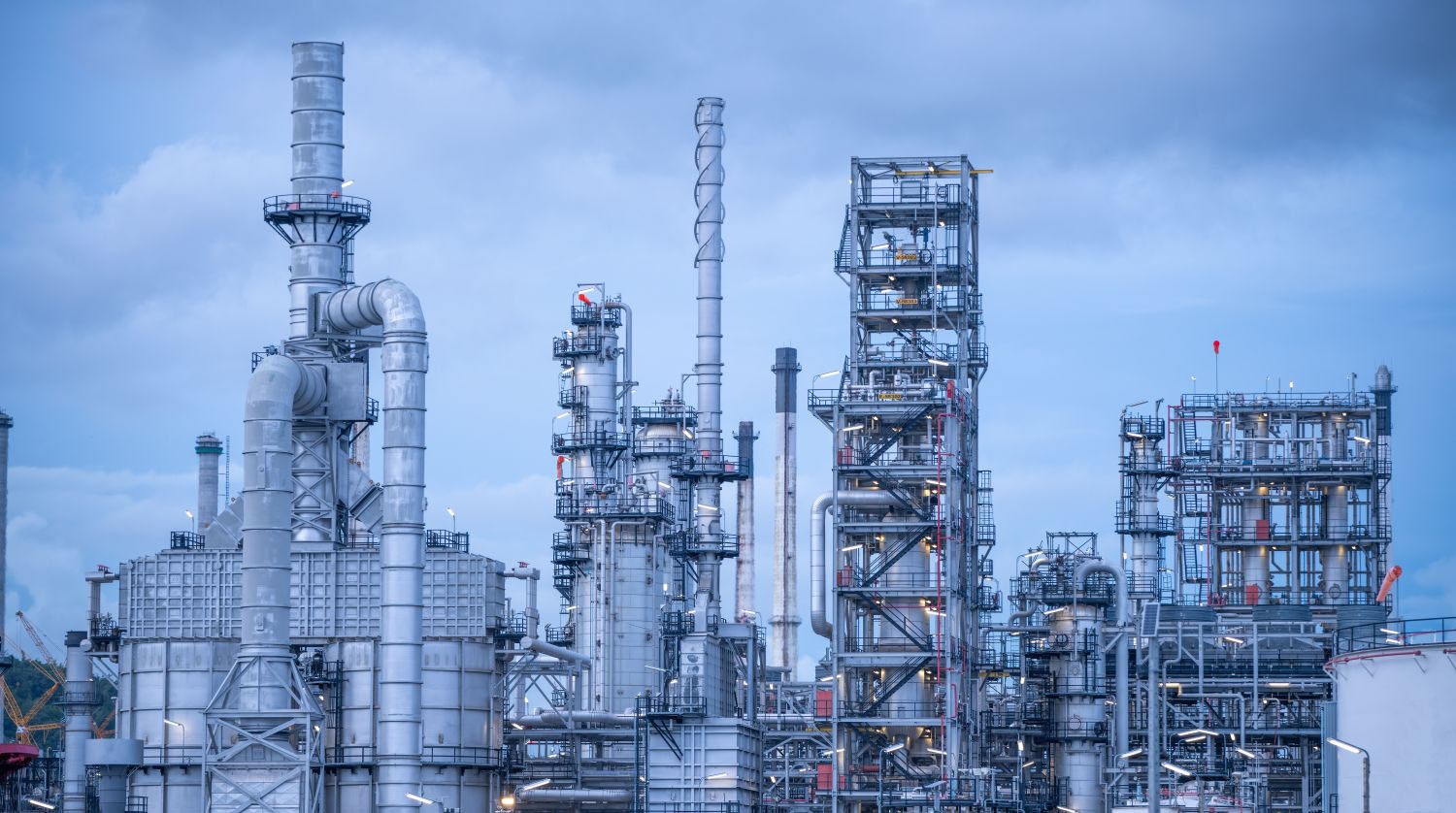
Net energy importers will see a spike in import costs. Brent crude oil is well over $100 per barrel, up about 50 percent since the start of the conflict. Gas prices are soaring, and the strike on Qatar’s Ras Laffan fields threatens to keep prices high over the medium term. And prices could still go higher for longer, with forecasts depending on the duration of the conflict and the extent of Middle East oil production shut-in. Net energy exporters are not completely immune to higher prices either, as many import refined products and will face spillovers from global inflation pressures. Countries that subsidize retail fuel prices will have to choose to spend more to maintain subsidies or allow politically destabilizing and potentially inflationary price increases.
Many countries’ exchange rates have already come under pressure (even including the yen and euro) as investors flocked to safe assets. For example, the Egyptian pound has depreciated more than 8 percent against the US dollar since the start of the conflict, the Zambian kwacha is down nearly 5 percent, and the CFA franc is down by over 2 percent. For countries with tighter currency controls—like Bangladesh and Pakistan—defending their currencies will place a strain on foreign exchange reserves, heightening the risk of a full-blown balance of payments crisis if they run out of dollars. On top of this, higher energy prices will compound inflation pressures globally, forcing advanced-economy central banks to rethink interest rate cuts. Higher rates in advanced economies, in turn, pull capital out of more vulnerable developing countries, putting further pressure on their currencies.
Taken together, higher oil prices and exchange rate devaluation will lead to a negative terms-of-trade shock for many countries, making it harder to service external debt and build foreign exchange reserves. Countries that have both high external debt service and low reserves will be especially at risk. For instance, Egypt may need to roll over more than $4 billion in outstanding eurobonds in the next year; Jordan and Pakistan may need to roll over around $1 billion apiece.
Food and fertilizer shortages
The immediate food security impacts have been regional so far: most of the Gulf countries are food importers and war-related shipping disruptions threaten supplies. But a prolonged closure of the Strait could have global effects by raising the price of fertilizer—heavily dependent on natural gas—making food production more costly and ultimately threatening the food supply. The chart below shows which countries are most exposed to imported fertilizers, and thus most vulnerable to a spike in prices or to shortages.
Declining remittances from the Gulf
With large infrastructure projects in Gulf countries targeted by strikes, migrant construction workers will have less money to send home—a loss affecting households across the Middle East and South Asia. Workers in Gulf countries send home $88 billion in remittances annually. Countries such as Egypt, Pakistan, and India are the biggest recipients, amounting to tens of billions of dollars per year and accounting for more than half of all remittances received in these economies. Egypt, Pakistan, and Jordan each receive more than 4 percent of GDP from Gulf remittances.
Which countries should we be watching?
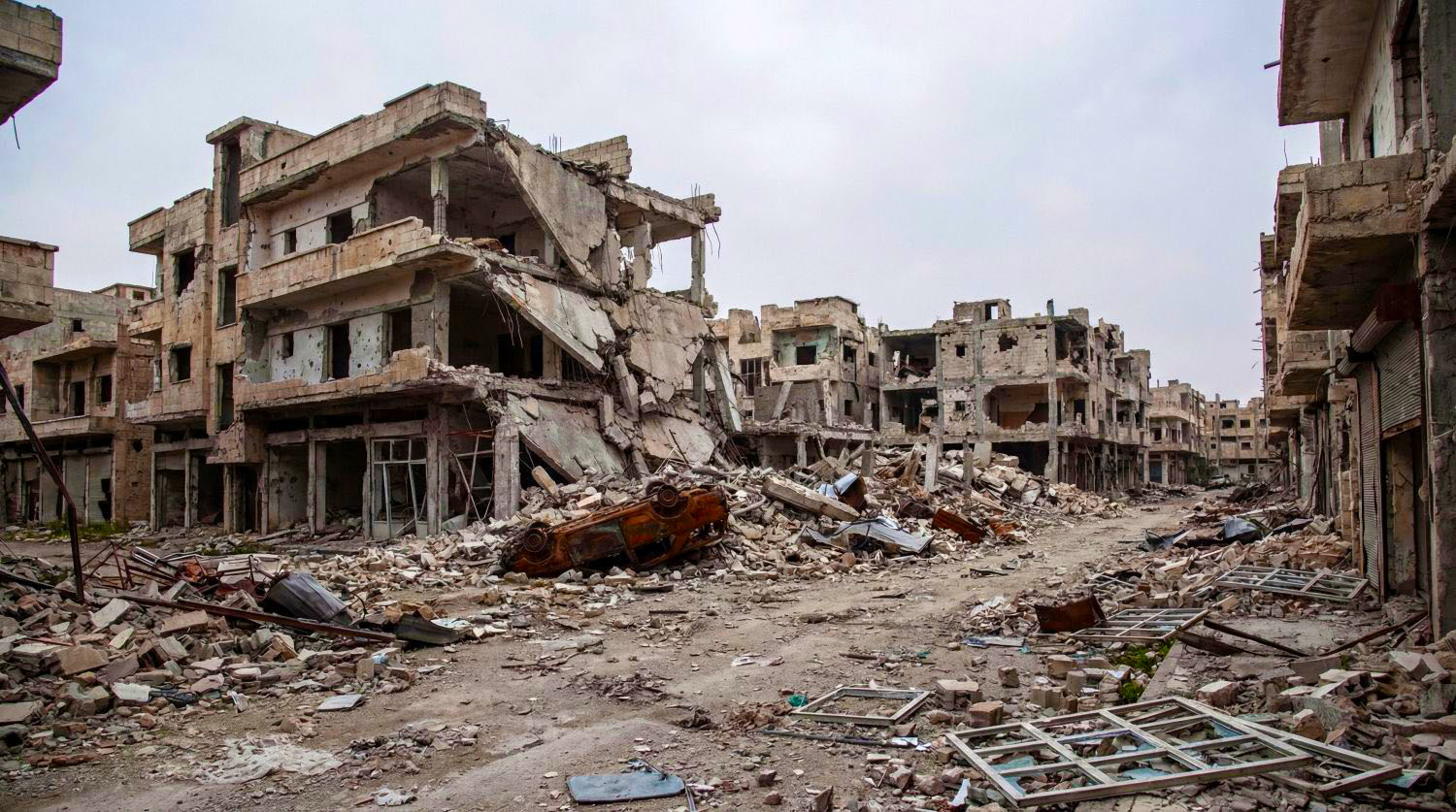
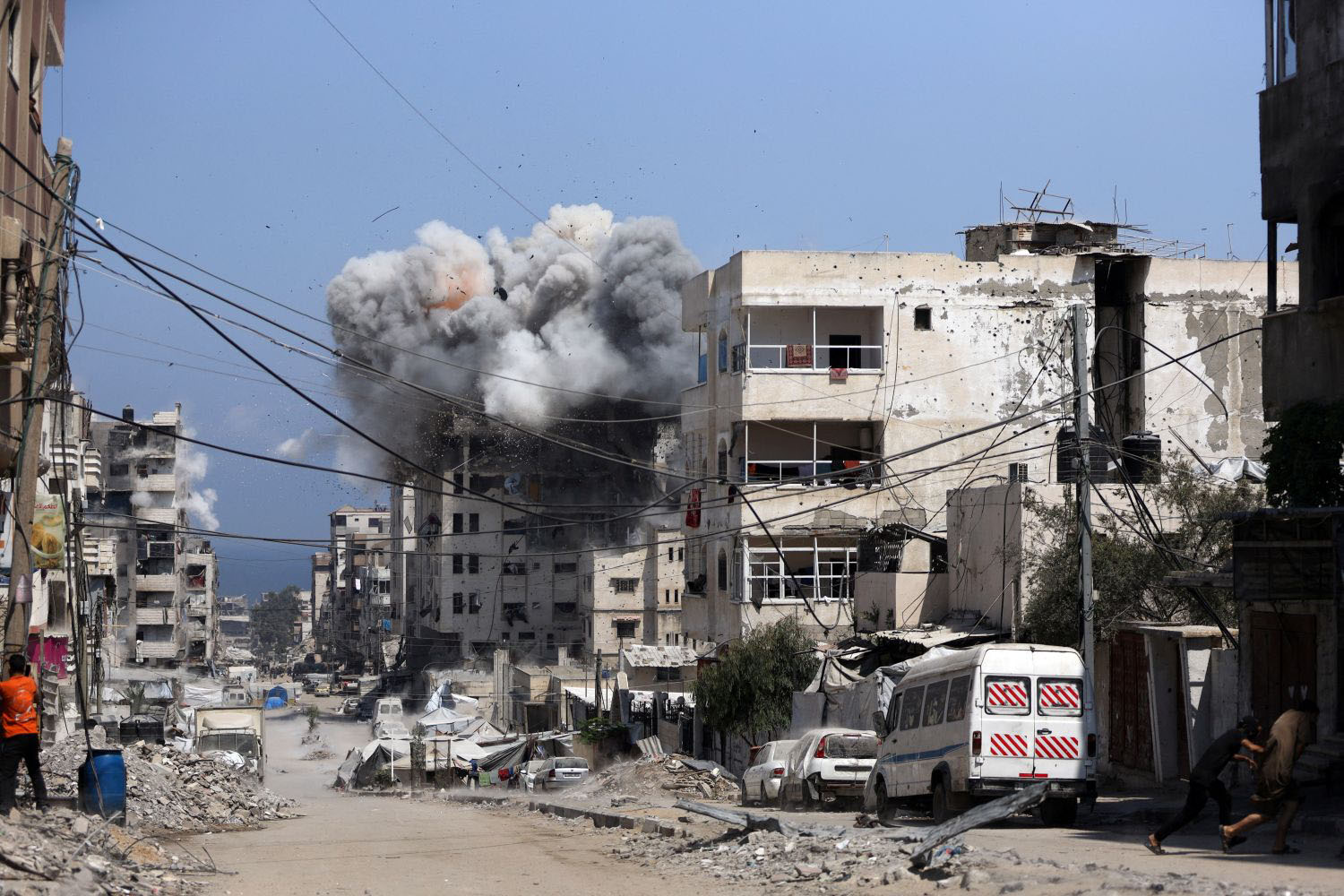
This analysis sets aside Iran and Lebanon, which face significant physical destruction and tragic loss of human life. Both countries will need urgent humanitarian support and long-term reconstruction.
Beyond those two, developing countries that already face limited fiscal space and high external and overall debt service payments should also be high on the watch list. A good starting point is the Finance for Development Lab’s recent paper identifying countries that are already insolvent and those facing liquidity challenges. The table below shows the potential exposure to key transmission channels for that list:
The table shows how countries with already-precarious financial circumstances may be further strained by the impacts of the Iran war. Egypt, which provides extensive fossil fuel subsidies and is a net energy importer, has already implemented new rules to curb energy use, including closing restaurants and retailers by 9 pm. Its situation is exacerbated by currency depreciation and loss of tourist revenues. Zambia also appears vulnerable but for different reasons: It spends more than 2.5 percent of GDP on fertilizer imports and devotes nearly 10 percent of GDP to debt service. Net energy exporters such as Nigeria or Mozambique seem less vulnerable.
What should be done?
IMF Managing Director Kristalina Georgieva urged policymakers to “think of the unthinkable and prepare for it.” Governments and the international financial institutions should follow Georgieva’s advice at the upcoming IMF and World Bank Spring Meetings, with an eye toward the developing countries that are already at risk.
Specifically, the IMF should be prepared to deploy rapid financing facilities at scale, potentially bringing back the Food Shock Window as needed. The World Bank should be prepared to roll out IDA support through its Crisis Response Window with an eye to frontloading IDA 21 financing. And US Treasury Secretary Scott Bessent is hosting his first meeting of finance ministers under the US G20 presidency. That discussion should focus on the economic impacts of the war and potential urgent debt service relief initiatives if the shock persists. Finally, this sudden shock to oil and gas prices should be a wake-up call, including to the US, that investments in more resilient renewable energy sources must be part of the conversation on energy security.
Topics
DISCLAIMER & PERMISSIONS
CGD's publications reflect the views of the authors, drawing on prior research and experience in their areas of expertise. CGD is a nonpartisan, independent organization and does not take institutional positions. You may use and disseminate CGD's publications under these conditions.
Thumbnail image by: Olivia / Adobe Stock