It has been more than 15 years since I last attended the World Economic Forum in Davos, and a lot has changed. Development used to be a major focus, but this year it was artificial intelligence (AI) and geopolitics (especially Greenland). Greenland is a good example of how the threat and outrage roller coaster is destroying the ability of the international community to focus on slow-burning, serious issues like the future of development cooperation, climate change, biothreats such as antimicrobial resistance (AMR), and pandemics. Thankfully, a small but very thoughtful group of people remained focused on these longer-term issues. I discuss those below, but first to AI.
Artificial intelligence opportunities, missing incentives, and stablecoins
AI came up in every panel I attended and conversation I joined, from Africa’s growth opportunities to dollarization. There were lots of concrete examples of AI’s potential for good: to speed the invention of new medicines and crops, to help improve education outcomes, and to reduce the costs of remittances. There was also discussion of risks, including loss of jobs and undermining students’ abilities to problem-solve. But despite all the talk, I did not hear good solutions to AI governance: even if companies start with good intentions, the incentives to deviate from good behavior (and move to less regulated countries) are high.
What is missing from too many conversations about AI and low- and middle-income countries (LMICs) is an appreciation for how hard it is to get from idea to scale. You can’t just invent a new medicine or crop and hope someone will scale it. A major reason we don't have crops and medicines tailored to LMICs is that there is limited incentive for anyone to take them through testing and regulatory approval. This is something we are working on at the Market Shaping Accelerator.
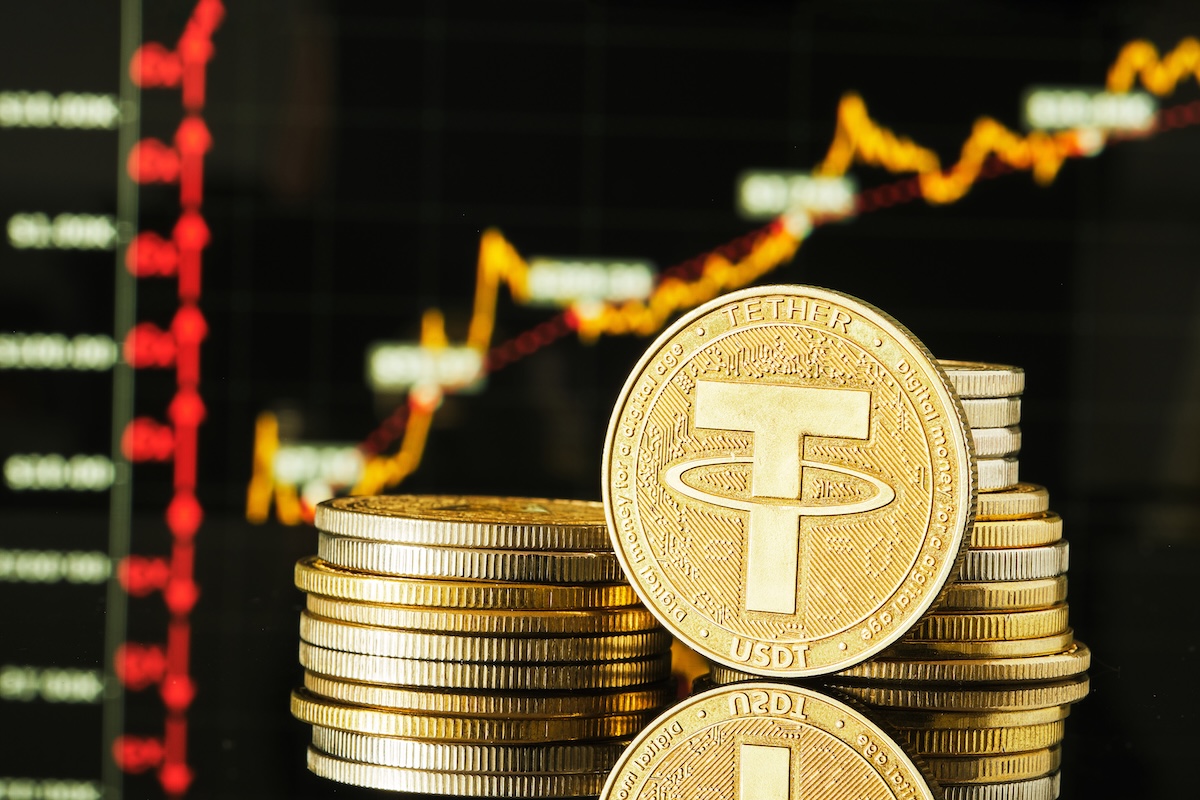
Stablecoins (crypto backed 1:1 with assets like the dollar) were a major focus at Davos. Stablecoin companies pointed to the reduction in the cost and time of business-to-business transactions across Africa (previously these had to go via New York, cost 8-15 percent, and took 3-5 days). Faster transactions and the ability to avoid currency risk would increase trust in deals with African businesses, allow businesses to restock faster, and reduce their trade credit needs. (This all assumes stablecoins actually do have the assets they claim.)
Underappreciated is how the takeoff of stablecoins in LMICs could undermine monetary, fiscal, and balance-of-payments policy levers. A lower local currency-to-GDP ratio means governments get less seigniorage, central bank interest rates impact less of the economy, and a given fiscal deficit creates more inflation. More to come from CGD on this.
Africa’s growth prospects in the new economy
One of the liveliest sessions I was part of was on African growth (it can be watched here). How important are critical minerals? Good at generating government revenue, but not for inclusive growth. By contrast, President Bio of Sierra Leone argued that agriculture is a key engine of inclusive growth (I’ve seen this in Côte d’Ivoire). The discussion also touched on the overwhelming need to reduce trade barriers across the continent. Prompted to be controversial by the moderator, I argued that “Mission 300,” which seeks to connect 300 million Africans to electricity by 2030, is misguided: electricity is a key driver of growth, but reliable electricity for firms is more important than connecting households, because without the income to buy electric appliances, households don’t benefit much.
Antimicrobial resistance (AMR)
I spoke at an Open Forum about the fragility of antibiotics (which can be watched here). CGD estimates AMR costs $66 billion a year to treat. A major economic challenge is that while new antibiotics are highly valuable, if they are invented, we want to use them only very sparingly (so resistance does not spread). Subscription models—where governments pay to access new antibiotics rather than tie payment to use—help solve the problem and have been adopted by the UK, encouraged by the EU, and need to be passed by the US. I was grateful for an incredibly moving intervention from a young woman in the audience with a superbug resistant to all antibiotics.
Parting observation: South Africa wins the best branding at Davos
Companies and countries spend inordinate sums to rent premises on the high street of Davos and transform them into sleek PR centers where they wine, dine, and seek to impress delegates. But the best branding of the week was simple, cheap, and effective: the entire South African delegation wore scarves on top of their suits, in the colors of their flag. In a sea of blue and grey suits, they were vibrant, distinctive, and unifying, just like South Africa itself.