
Recommended
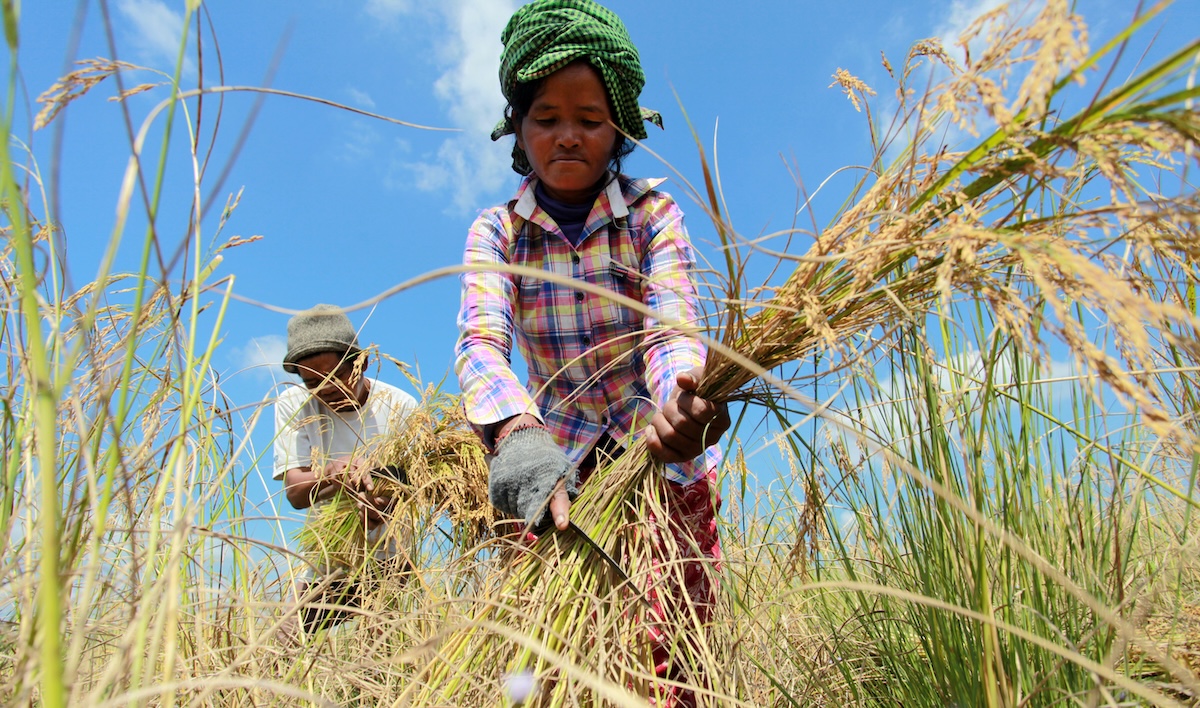
On a planet that is producing more food per person than ever before, it is a moral stain that so many still suffer malnutrition or face the risk of famine. And, if sustained, the recent collapse in global humanitarian funding from $37 billion in 2024 to $21 billion in 2025 will only increase that risk of famine. Most urgently, the forgotten food crises across Africa, South Asia, and Central America must be addressed.
The Integrated Food Security Phase Classification (IPC) categorizes food insecurity on a five-point scale. Households in phase three have low enough food consumption that they face high or above-usual acute malnutrition or are depleting essential livelihood assets to avoid that. Slipping into phase four means very high malnutrition, increased death rates, or rapidly liquidating assets to avoid that. Phase five communities face destitution, acute malnutrition, starvation, and widespread death. According to the IPC, about 87 million people are currently in phase three, 25 million in phase four, and 220,000 in phase five. And because the IPC data doesn’t cover all countries, this is an underestimate of global food insecurity.
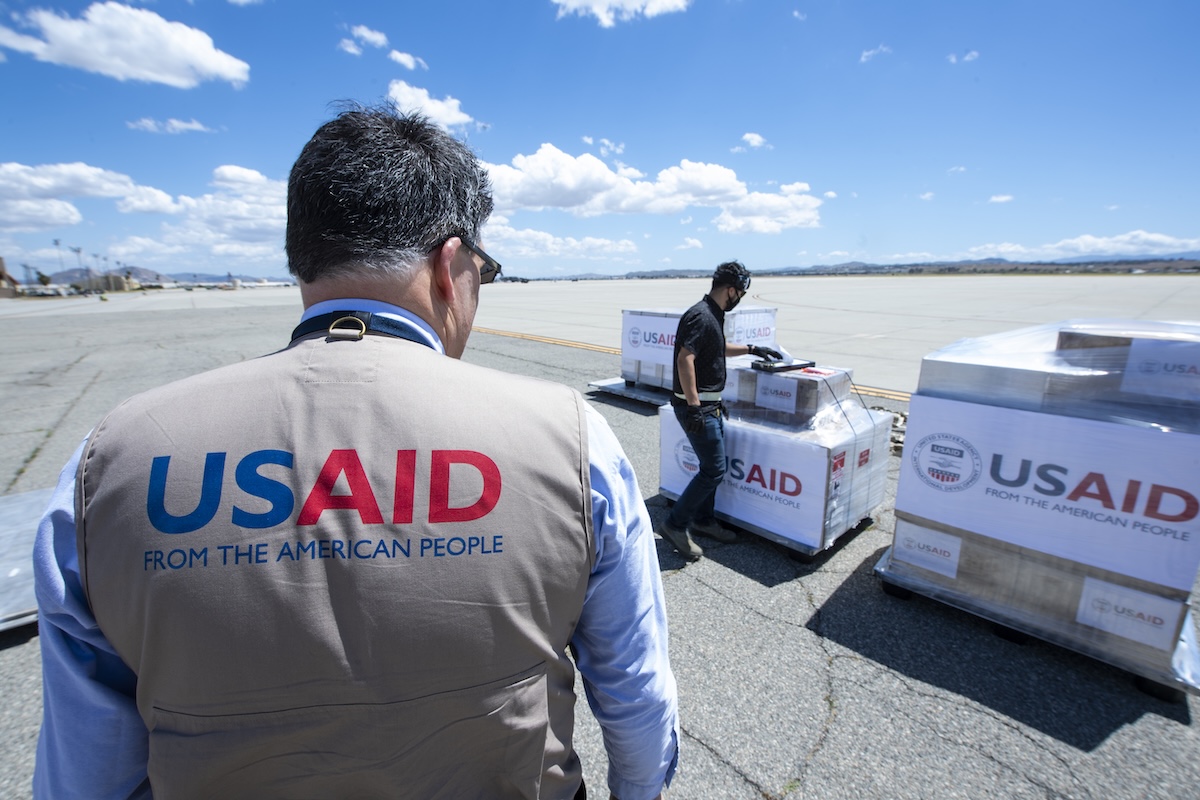
While the global level of food insecurity has remained broadly constant since 2022, humanitarian funding has rapidly declined, including to the countries where the food insecure live. Between 2019 and 2024, each additional person in IPC phase 3 or higher was associated with that country receiving an average of $73 in additional humanitarian support. In 2025, that fell to $38.
Humanitarian support is about a lot more than ensuring people have sufficient food and nutrition. Not least, it covers camp infrastructure, housing and health services, education, and protection. Again, the costs of responding to a humanitarian crisis, and how much of those costs should be carried by the international community, will vary significantly by location. But food security is a central concern of humanitarian response, even where that response may be comparatively straightforward it still takes finance, and most countries home to the food insecure are poor enough to need external assistance.
Looking across years just under 50 percent of the total variation in funding can be attributed to the recipient country. This means that where the food insecure are, even more than their number, determines humanitarian funding levels. The academic literature comes to a similar conclusion, suggesting that humanitarian finance is driven in part by need but also strongly by media coverage, as well as the status of democracy in the recipient country and donors’ strategic interests.
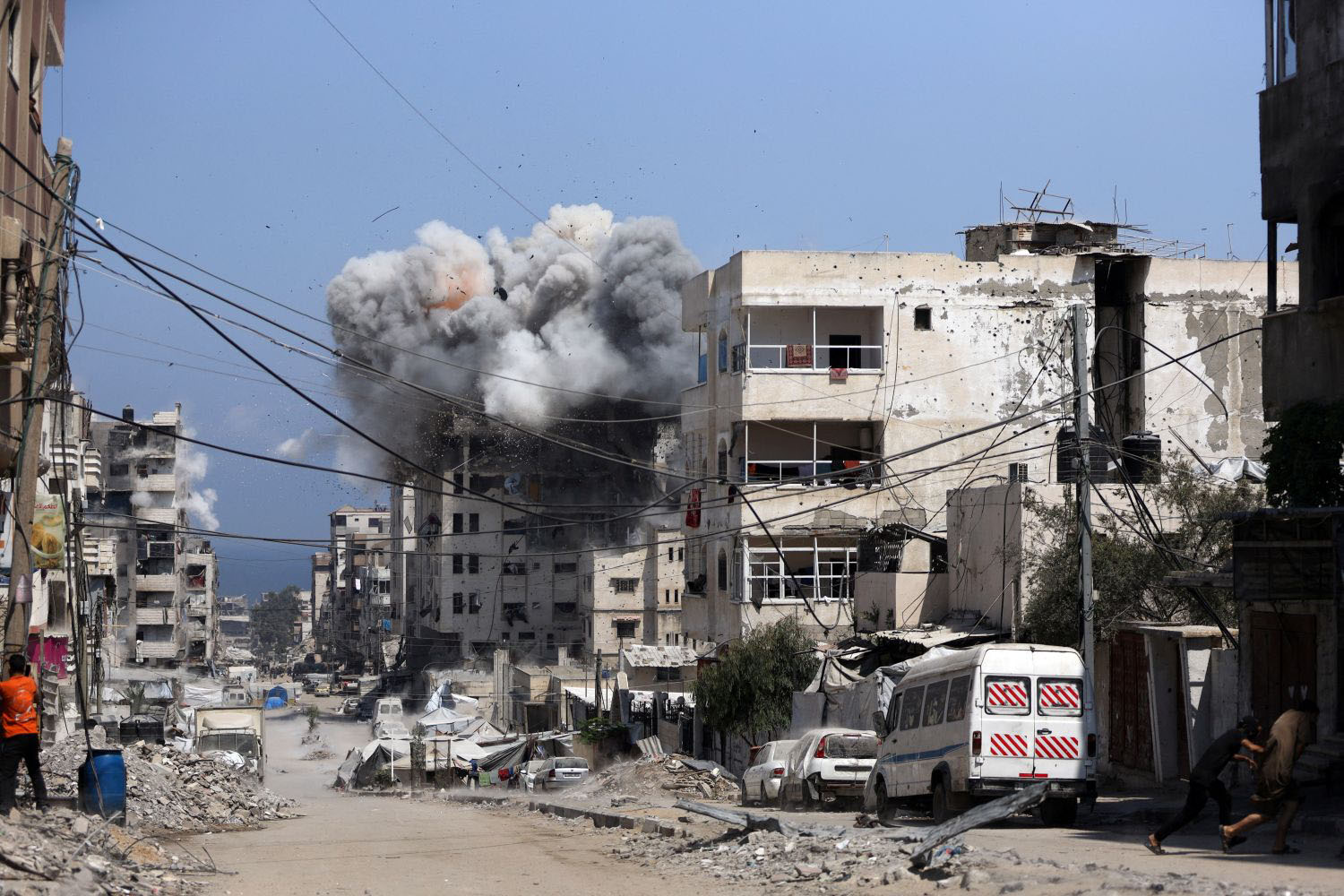
In periods of food insecurity over the period 2017-2022, Palestine and Yemen both received around $2 billion a year more finance than might be expected given the number of food insecure, while many other countries see considerably less humanitarian support than might be predicted.
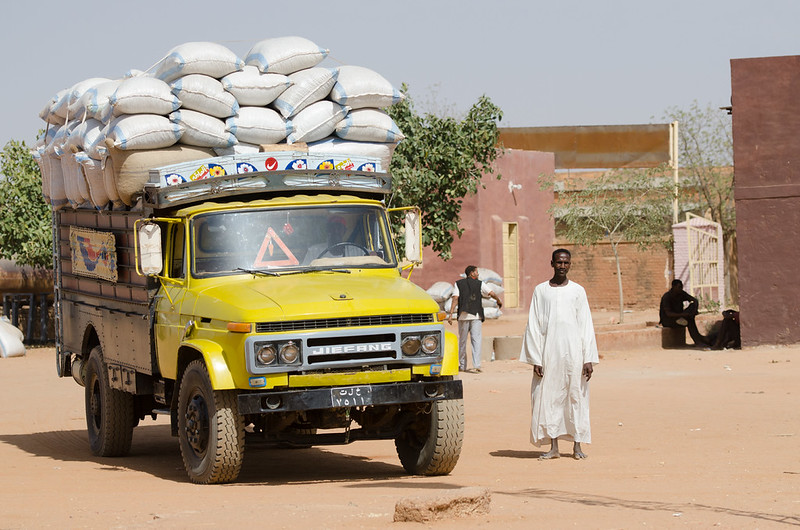
It is not that Palestine or Yemen should receive less funding—one look at the ongoing devastation and suffering in those countries suggests the reverse. And war zones are extremely complex—and much more expensive—environments to provide support. At the same time, the data suggests that a lot of the illness and mortality associated with food insecurity and growing funding gaps are going to happen elsewhere. Especially as data systems falter, the deaths of the uncounted and unreported will climb. Targeting more assistance to the forgotten food crises across Africa, South Asia, and Central America is an urgent priority.
Topics
DISCLAIMER & PERMISSIONS
CGD's publications reflect the views of the authors, drawing on prior research and experience in their areas of expertise. CGD is a nonpartisan, independent organization and does not take institutional positions. You may use and disseminate CGD's publications under these conditions.
Thumbnail image by: Riccardo Niels Mayer/ Adobe Stock