
Recommended
The distinction matters: transformational vs. transactional. The Trump administration is right to demand a return on foreign assistance spending, but its short-term, deal-by-deal approach to strategic assistance is undermining the very objectives it claims to pursue. To be truly strategic, assistance needs to take a long-term view and focus on building the supporting ecosystem and not just financing transactions. To do so, the administration should develop a comprehensive framework that draws on the approach of other administrations to what is often called economic statecraft. Adopting it is not a concession to predecessors, but rather the most robust way to deliver a stronger, more prosperous, more secure America.
The transactional approach is failing
The administration's own actions illustrate the problem. Since dismantling USAID and consolidating foreign assistance at the State Department, the administration has organized remaining aid into three categories: (1) humanitarian, (2) strategic, and (3) security assistance. The State Department's Agency Strategic Plan for FY2026–2030 defines strategic assistance as advancing US interests through economic support to allies, commercial ties, and infrastructure development. The instinct is sound, but the execution is not.
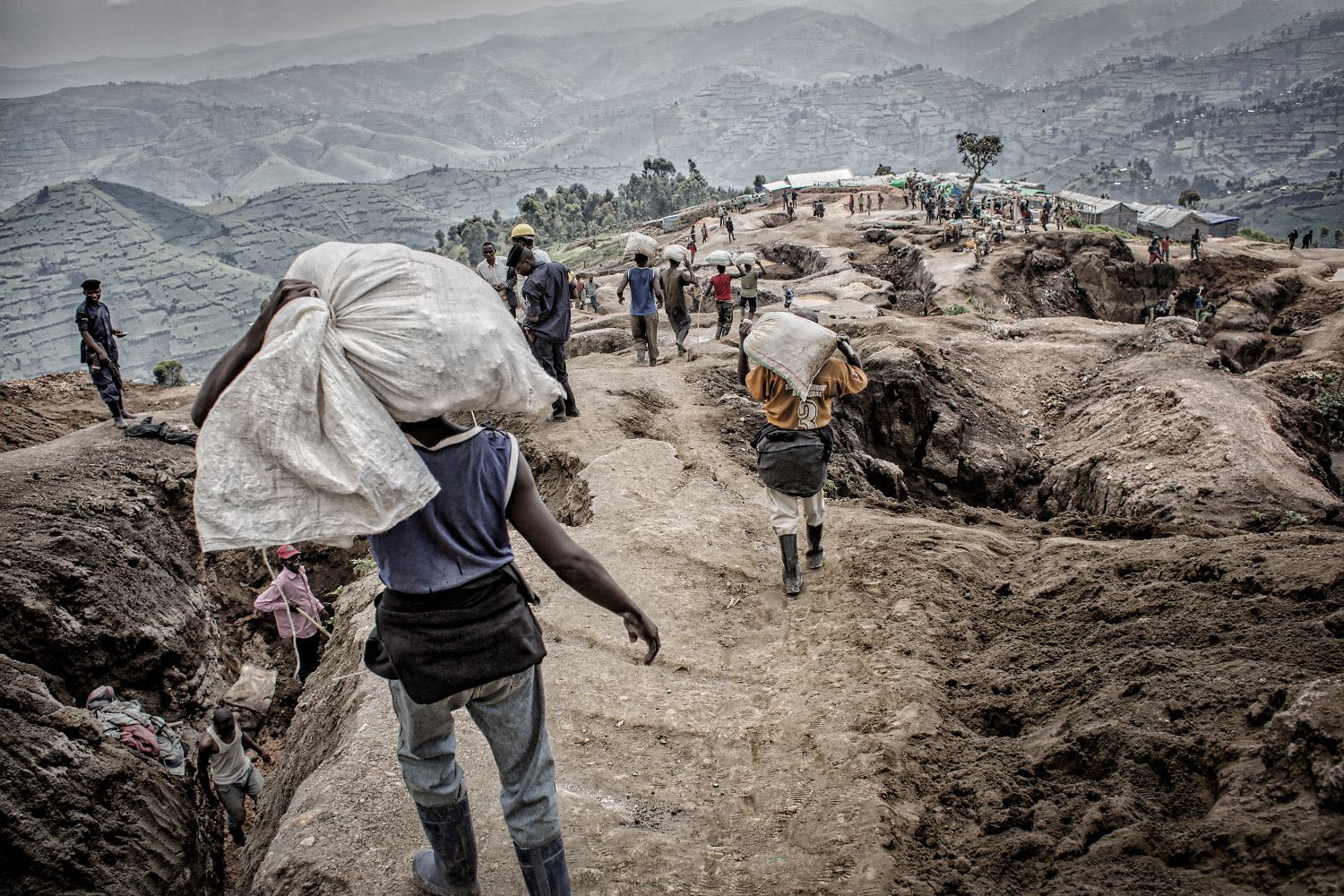
Two examples expose the gap. First, the US government directly subsidized an American telecom company to outbid Huawei on a broadband infrastructure contract. A one-off subsidy does not build the regulatory environment, workforce capacity, or long-term investment relationship that would anchor a durable US digital infrastructure presence. Second, the US International Development Finance Corporation (DFC) signed letters of intent for a mineral mining project and a railroad in southern Democratic Republic of the Congo (DRC), both explicitly driven by US demand for critical minerals with little indication of a broader partnership with the DRC. If partner countries perceive US engagement as purely extractive, they may prioritize other partners in future negotiations.
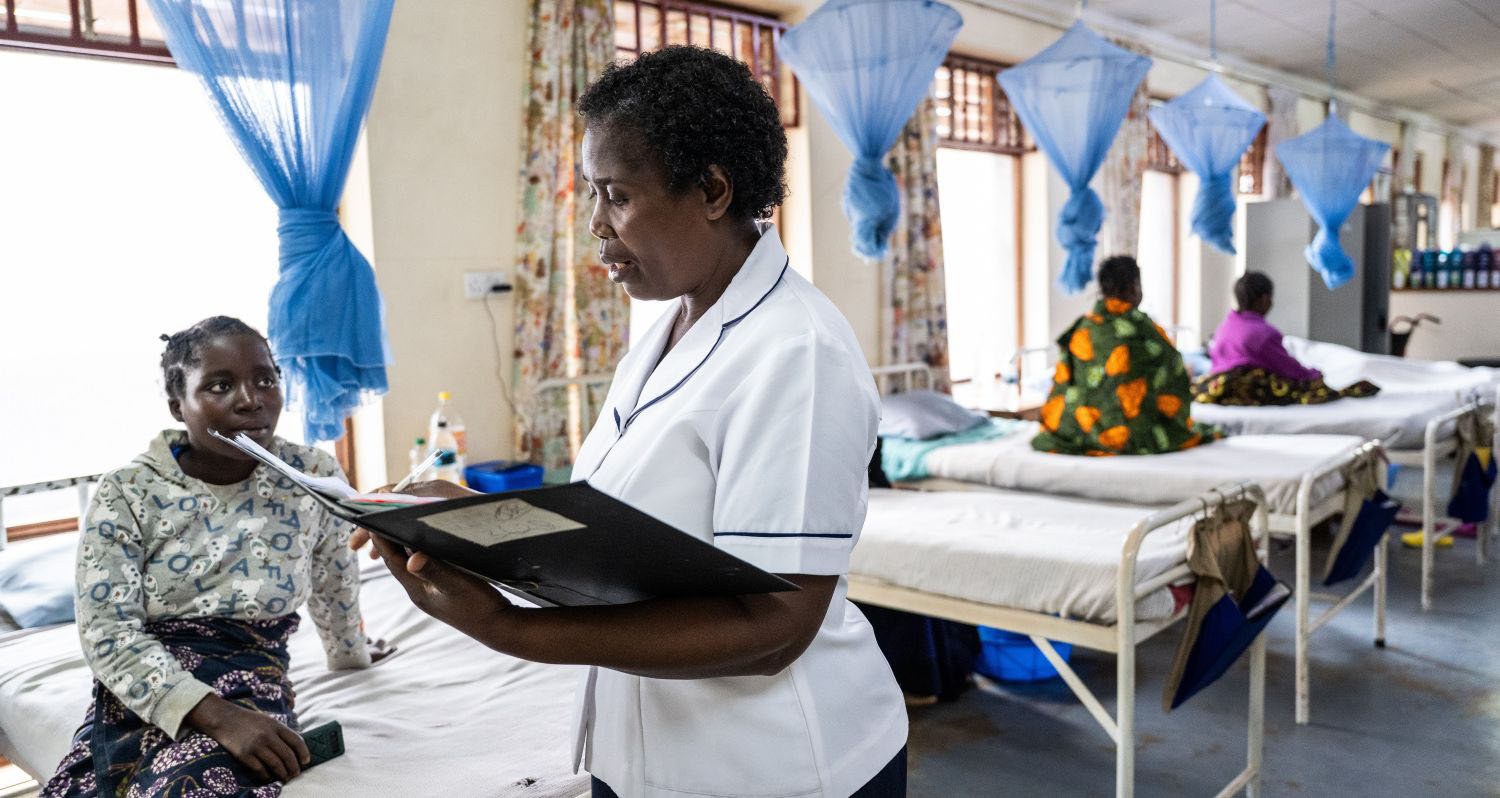
Reports indicate that the administration requested preferential access to minerals from at least one African country in exchange for global health funding. The administration should avoid this practice. Mixing humanitarian assistance with strategic extraction damages American moral standing and undermines the credibility of all US engagement.
Economic statecraft has bipartisan roots
Economic statecraft is not new to US foreign policy. Defined as the use of foreign assistance, development finance, trade policy, and financial instruments to advance a country's foreign policy and economic security, it defined the approach of three successive administrations. The reason is straightforward: as the People's Republic of China (PRC) rapidly expanded its trade and investment relationships in sub-Saharan Africa, Southeast Asia, and Latin America—supplanting the US as Africa's top trading partner and deploying hundreds of billions in Belt and Road Initiative (BRI) infrastructure financing—Washington recognized that countering a strategic competitor required economic tools, not just defense spending. The COVID-19 pandemic reinforced the point by exposing dangerous US dependence on PRC-dominated supply chains for medical supplies, pharmaceutical precursors, and critical minerals.
Three concrete responses followed. First, the first Trump administration created the US International Development Finance Corporation (DFC) in 2019, transforming the former Overseas Private Investment Corporation (OPIC) into a full-fledged development finance institution with equity authority and a $60 billion commitment ceiling explicitly designed to offer an alternative to BRI financing. Second, the Biden administration launched the Partnership for Global Infrastructure and Investment (PGI) with the G7, organizing US investment around economic corridors in southern Africa, the Philippines, and Central Asia, layering infrastructure with investments in agriculture, energy, and critical minerals. Third, the State Department launched the Infrastructure Transaction Assistance Network (ITAN) in 2018 to provide on-demand legal, technical, and regulatory support to advance specific infrastructure projects in strategic regions. ITAN partnered with USAID's Transaction Assistance Fund (TAF) to deliver direct transaction assistance—including project management and legal support for a US-Japan-Australia subsea cable connecting Palau into the broader Pacific network. This type of catalytic, grant-funded technical assistance is precisely what closes the gap between a promising project and a financeable deal.
The current administration, to its credit, has maintained the PGI economic corridor approach. The US ambassador to Angola reaffirmed commitment to the Lobito Corridor in April 2025 despite spending cuts. Secretary Rubio committed $15 million to the Luzon Economic Corridor during his July 2025 visit to the Philippines. The question is whether the administration will build a holistic framework around these commitments or continue to treat them as isolated transactions.
Five pillars to organize the effort
The administration must structure a renewed economic statecraft initiative around five investment pillars:
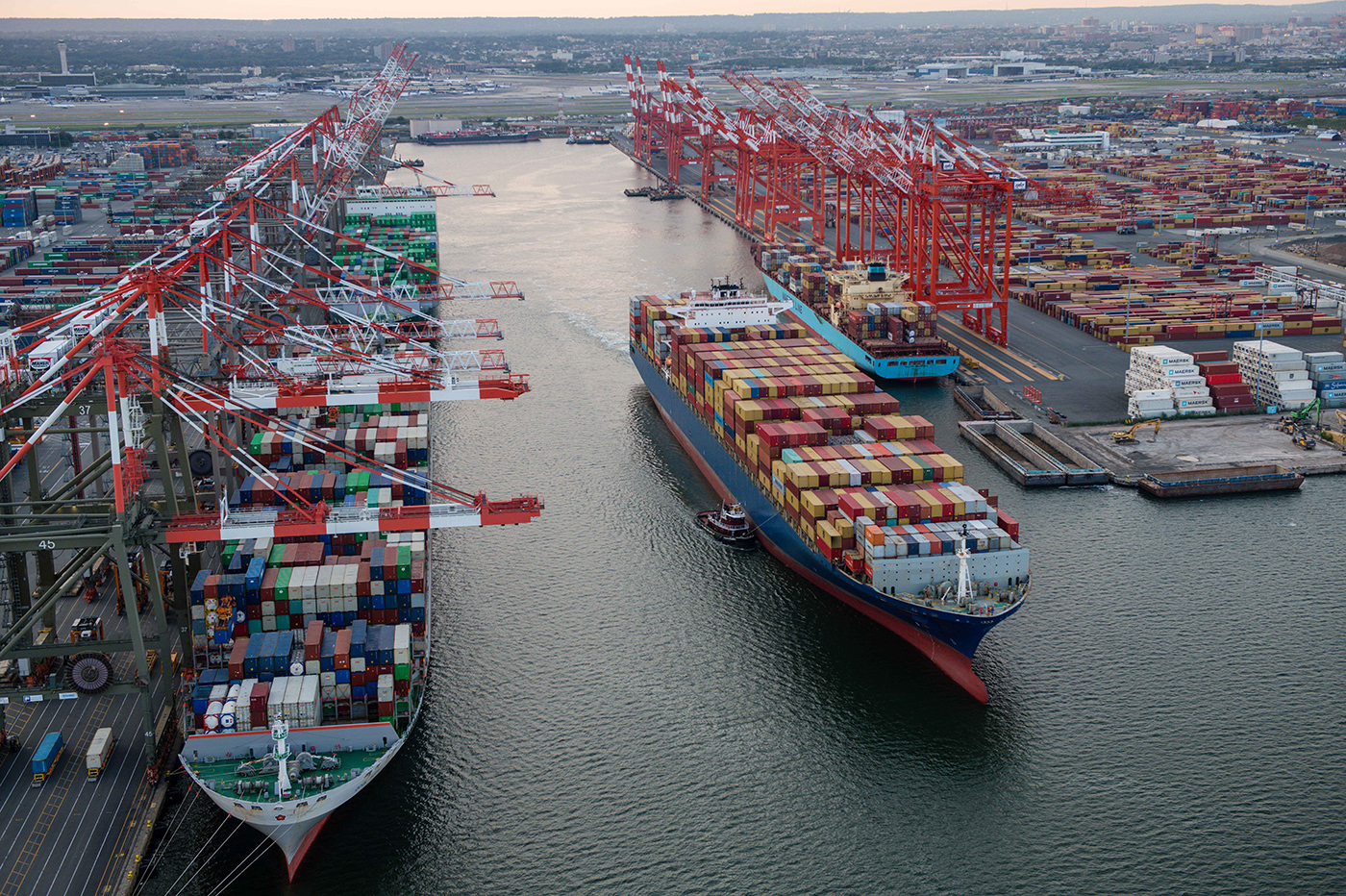
- Transportation infrastructure. Ports, railroads, roads, and digital networks that lower trade costs and unlock economic activity. The Lobito Atlantic Railroad rehabilitation—financed by DFC in Angola—is the template: a central infrastructure spine that catalyzes everything else.
- Supply chain resilience. Manufacturing and processing capacity in strategic sectors (e.g., medical supplies, semiconductors, pharmaceuticals, agricultural inputs, and others) where the US remains dangerously dependent on China. The administration should pursue a "strategic shoring" approach that develops supply chains in countries primed for export-led industrialization.
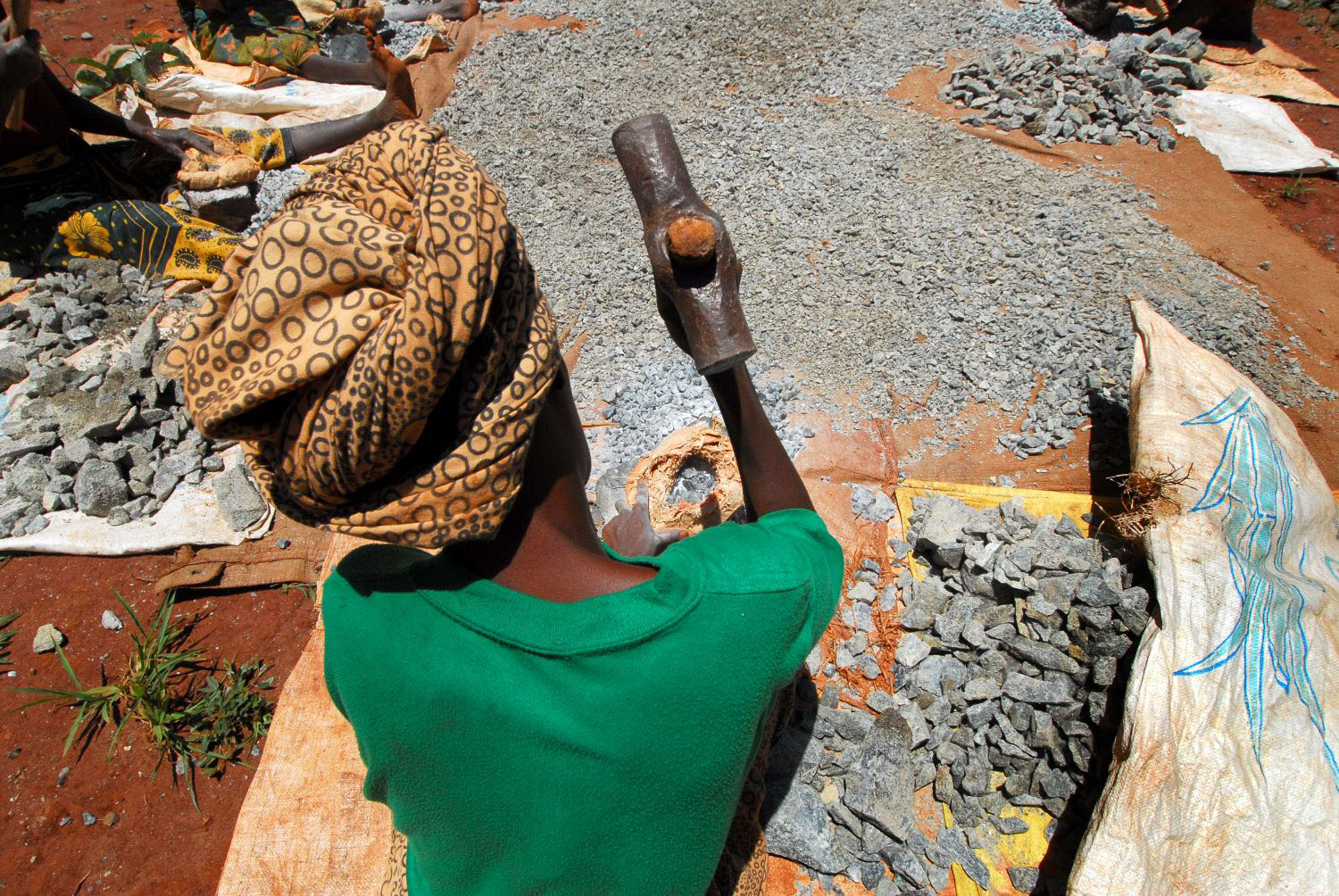
- Critical minerals mining and processing. This pillar would cover not extraction alone but in-country processing that enables Zambia, the DRC, and other partners to move up the value chain. Processing capacity in allied countries directly reduces dependence on Chinese-controlled supply chains for lithium, cobalt, copper, and rare earth elements.
- Energy investment. Mining, processing, and manufacturing all require reliable power and will require significant investments in new sources of generation. The administration must adopt an all-of-the-above energy approach, including renewable and non-renewable sources, to underpin the rest of the agenda.
- Digital infrastructure and AI. Subsea cables, data centers, spectrum management, and interoperability frameworks for AI-driven applications.
Economic corridors are the right framework
Corridors should organize a future effort around these pillars. The economic corridor model layers transportation infrastructure with secondary investments in agriculture, energy, digital access, and critical minerals across a defined geographic area. This produces coherence across agencies and co-financing partners while giving partner countries a tangible stake in broad-based growth rather than resource extraction.
The Lobito Corridor demonstrates this. DFC financed the rehabilitation of the railroad and the port upgrade in Angola. USAID supported agricultural development in Zambia. EXIM financed bridge construction in Angola. The EU funded an initial feasibility study for a greenfield railroad extension in northern Zambia; Italy and the African Development Bank committed capital alongside the EU. Three reformist presidents in Angola, DRC, and Zambia engaged directly because the corridor offered a path to diversifying their economies and reducing dependence on China. That level of on-the-ground buy-in is what distinguishes a transformational approach from a transactional one.
Corridors, however, need more than finance. They require the enabling-environment work that makes investments viable in the long run: (1) regulatory reform to reduce barriers to trade and investment, (2) trade capacity building to improve cross-border flows, and (3) project preparation to develop bankable deals for DFC and EXIM. This is precisely the work USAID performed before it was dismantled, but now the State Department will need to fill that gap. The administration should create a dedicated pool of $150–200 million in technical assistance funding organized around these three lines of effort. This is an area where the current administration has an opportunity to address a gap that existed in PGI.
The administration must stop working at cross-purposes
Tariff policy is undermining supply chain strategy. The administration has imposed tariffs on Angola, DRC, Indonesia, the Philippines, and Zambia—the same countries it needs as partners to reduce dependence on China. Supply chains cannot be entirely reshored to the US; the economics do not support full reshoring of critical minerals processing, semiconductor components, or pharmaceutical precursors at the scale required. Strategic shoring, which involves developing supply chain capacity in allied countries, is the more realistic path to diversification. It requires the administration to treat tariff policy, trade policy, and development finance as components of a single strategy rather than allowing them to work at cross-purposes.
The credibility problem compounds the tariff problem. G7 allies are hedging their commitments. Partner countries in Africa, Southeast Asia, and Latin America are accelerating diversification away from dependence on both China and the US. The administration must grapple with this reality: the US is now competing for partnerships it once took for granted, and early, concrete delivery on existing corridor commitments is the fastest route to rebuilding confidence.
The stakes are clear
The choice is transformational or transactional. Foreign assistance has always served the donor’s interests alongside the recipient’s—and partner countries accept this. What they will not accept is a one-way relationship. The measure of success is not the number of contracts signed or minerals secured but whether US engagement produces durable partnerships that outlast individual transactions.
The administration must keep humanitarian and strategic assistance permanently separate. Global health funding should remain governed by need, not by mineral concessions. That said, the case for economic statecraft does not depend on mixing the two—it stands entirely on its own. The administration has the right instincts, the right tools—DFC, EXIM, the Millennium Challenge Corporation (MCC), the US Trade and Development Agency (USTDA), and the State Department—and a bipartisan foundation to build on. What it lacks is a framework, serious interagency coordination, and the $150–200 million in technical assistance funding needed to make these investments catalytic rather than episodic. The administration must choose the long game. The alternative is winning individual deals while losing the broader strategic competition.
Topics
DISCLAIMER & PERMISSIONS
CGD's publications reflect the views of the authors, drawing on prior research and experience in their areas of expertise. CGD is a nonpartisan, independent organization and does not take institutional positions. You may use and disseminate CGD's publications under these conditions.
Thumbnail image by: Igor/ Adobe Stock