On February 4, the State Department convened a critical minerals ministerial meeting in Washington, DC that brought together representatives of 54 countries and the European Commission. This is the latest in a series of efforts by the Trump administration to reduce US and allied dependence on China for the mining and processing of critical minerals. In remarks to the gathering, Vice President JD Vance announced the creation of a preferential trade zone that would maintain a price floor for critical minerals through “adjustable tariffs” and, according to the administration, combat dumping of cheap minerals on the global market. Some praised the approach, noting that such a partnership would stabilize prices and increase cooperation between the US, its allies, and mineral-rich countries. However, other forces including resource nationalism, China’s outsized role, and questions over the future of US development assistance may complicate the administration’s efforts.
Critical minerals & resource nationalism
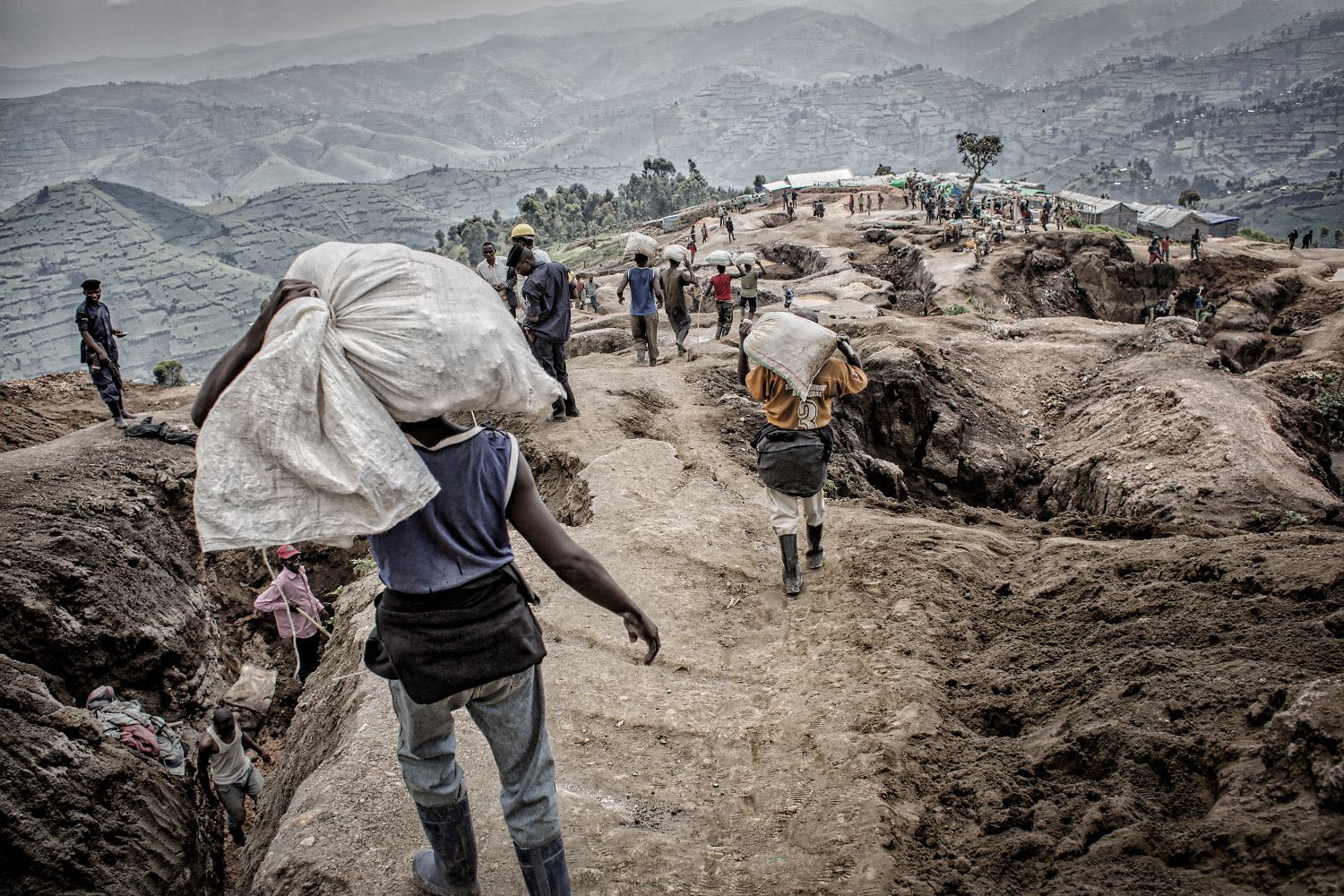
Many developing countries are rightly asking how they can reap more of the benefits from the raw materials they’re endowed with; the President of the Democratic Republic of the Congo (DRC), Félix Tshisekedi, said last week, “We want industrial projects that create local jobs, transfer technology and respect environmental and social standards.”
Critical minerals, including rare earth elements (REE), are generally defined as minerals that are vital to industrial production, the clean energy transition, and national security. Countries like DRC, Zambia, Zimbabwe, the Philippines, Indonesia, and other developing and emerging market economies hold significant reserves of these minerals. For example, DRC produces approximately 70 percent of the world’s cobalt, Zimbabwe accounts for 10 percent of global lithium production, and Indonesia is responsible for 21 percent of nickel. The IMF estimates that Africa alone holds 30 percent of the world’s proven critical mineral reserves. These numbers give resource-rich countries a dominant position in any discussion around diversifying sources of raw and processed minerals, but they also obscure the fact that many of these countries have not been able to fully reap their benefits.
To ensure they are able to retain more of the value of their resources within their borders, countries are increasingly looking to restrictive trade measures that can better control the price of minerals or force in-country processing. Over the past several years, the number of countries imposing some type of restrictive measure on critical minerals has increased markedly. Zimbabwe has imposed export bans on unprocessed lithium to force more in-country processing. The DRC imposed an export ban on cobalt in February 2025 and while it lifted it in October, it kept in place a quota on cobalt exports. In 2020, Indonesia banned exports of unprocessed nickel, ultimately forcing manufacturers to shift processing of nickel in-country.
Countries are also pushing for standards, transparency, and an even playing field. At the G20 in 2025 in South Africa, countries endorsed the non-binding “Framework for Sustainable Development and Supply Chain Resilience.” The US, of course, skipped the G20 last year, but this document could set the tone for how the US, other allies, and resource-rich countries engage on critical minerals for mutual benefit. It outlines six areas for engagement:
- Economic diversification and local value addition through knowledge, technical, financial, and institutional support.
- A standardized yet flexible benefit-sharing model for equitable distribution of economic, environmental, and social benefits with local communities across the entire value chain of critical energy transition minerals (CETMs).
- Transparent supply chains by endorsing a credible global mining standard and traceability mechanism that integrates benefit sharing parameters in the CETM value chain.
- Regional and Global South cooperation to support trade negotiation, in-built mechanisms for greater benefit sharing in agreements, investor-state dispute resolution, etc.
- A global fund for just transition in mining.
- A people-first approach and accompanying implementation mechanisms to safeguard interests and participation of indigenous communities.
These are reasonable parameters, but they may present the US and its partners with a challenge. As announced at the critical minerals ministerial last week and in publicly available documents, the US approach is focused on securing preferential access to mineral supply chains that exclude any kind of presence for China along the entire value chain. In his remarks, Vice President Vance made clear that the “goal within that zone is to create diverse centers of production, stable investment conditions, and supply chains that are immune to the kind of external disruptions that we’ve already talked about.” Some of this builds on earlier efforts like the Mineral Security Partnership (now rebranded as the Forum on Resource Geostrategic Engagement Initiative or FORGE) launched under President Biden, but it is also far more ambitious as the administration has announced $10 billion in Export-Import Bank (Ex-Im) financing for a critical minerals strategic reserve, new investments by the US International Development Finance Corporation (DFC) in DRC and elsewhere, and direct equity or debt investments in US mining companies.
The China angle
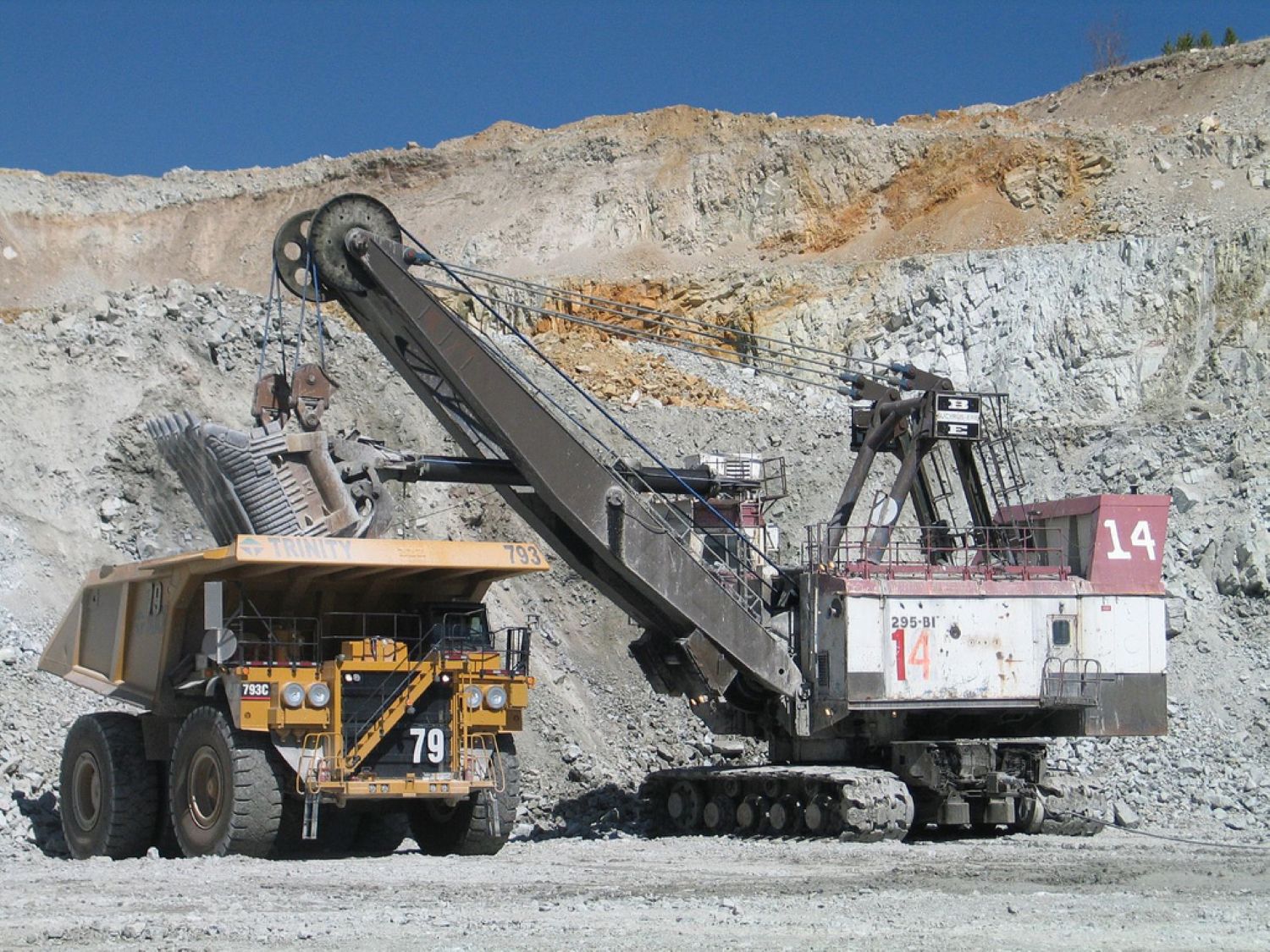
The reason so much attention is being paid to critical minerals is the dominant role that China plays in the mineral mining and processing supply chain. China is responsible for refining 60 percent of the world’s lithium and cobalt and controls nearly 90 percent of rare earth processing. Moreover, Chinese mining companies and other state-owned enterprises hold a dominant position in mineral-rich countries such as the DRC, where they control 80 percent of mineral production. This did not happen overnight—US and Western mining companies largely exited southern DRC over the past 10-15 years due to concerns with corruption, labor standards, poor infrastructure, and poor margins. China snapped up formerly Western-owned concessions and has been able to leverage this position when threatened economically. The Chinese government imposed bans on rare earth exports in response to a dispute with Japan in 2010 and to the Trump administration’s tariffs in 2025. In both instances, these bans caused economic disruption and carried serious national security implications. Secretary of State Marco Rubio captured this dynamic last week saying that the market is “highly concentrated, leaving it as a tool of political coercion and supply chain disruption, putting our core interests at risk.”
On the margins of the G20 in South Africa, the Chinese premier announced the formation of the International Economic and Trade Cooperation Initiative on Green Mining and Minerals with 20 countries, including Cambodia, Nigeria, Burma, and Zimbabwe, along with the United Nations Industrial Development Organization (UNIDO), framing the initiative as a way to safeguard the interests of developing countries and ensuring that they benefit from critical minerals. How this may come to fruition remains to be seen, but it does suggest that China will not easily let go of its dominance in this area.
A development opportunity?
Since the Trump administration moved aggressively to reshape US foreign assistance, there have been many voices in Washington arguing that critical minerals and other strategic supply chains could offer one route for foreign assistance to maintain its relevance. What this looks like in practice is less clear. The US Agency for International Development (USAID), other bilateral donors, and the multilateral development banks have long pursued projects in this space, often focusing on mitigating the sometimes harmful environmental, social, and governance side effects of the mining industry; tackling corruption; or providing safeguards for small and artisanal mining operations. These are important activities, but they hardly add up to a robust foreign assistance agenda.
Whether there is a positive development case for investment in critical mineral mining and processing may be the wrong question. The Trump administration has shown itself to be less interested in lofty development goals, but they have expressed interest in trade with and investment in developing countries to strengthen America’s own national and economic security. For the countries endowed with mineral wealth, what we should strive for is supporting them to manage—and commercialize—these resources in a responsible way. This means ensuring that the private sector invests with high environmental, social, and governance standards that protect the health and safety of the workforce and strong, positive relations with local communities. It means providing technical assistance to governments to make sure that negotiations over mineral concessions and other associated investments are conducted on a level playing field. The G20 framework on critical minerals is a good starting point.
Looking forward
As the Trump administration continues signing bilateral memoranda of understanding (MoUs) with mineral-rich countries, it should strive to integrate elements from the G20 framework into MoUs and their continued dealings. This would strengthen not only bilateral relations, but it would also ensure that the preferential trading bloc it envisions provides a mutual benefit for all parties involved. Recognizing that the countries with minerals have agency and want to see more from this engagement than simple resource extraction is paramount. Although there are references to infrastructure investment, support for industrialization, and technical assistance to tackle corruption, regulatory reform, and human capital development in the US-DRC bilateral critical minerals MoU, how these activities might be implemented is unclear. Financing mineral deals with Ex-Im or DFC investment is one thing, moving the needle on associated development challenges in the DRC, Zambia, and other mineral-rich countries is quite another. Tackling these challenges would help secure critical mineral supply chains and help meet the growing chorus of voices across developing countries asking for more than just another round of resource extraction.