You are here
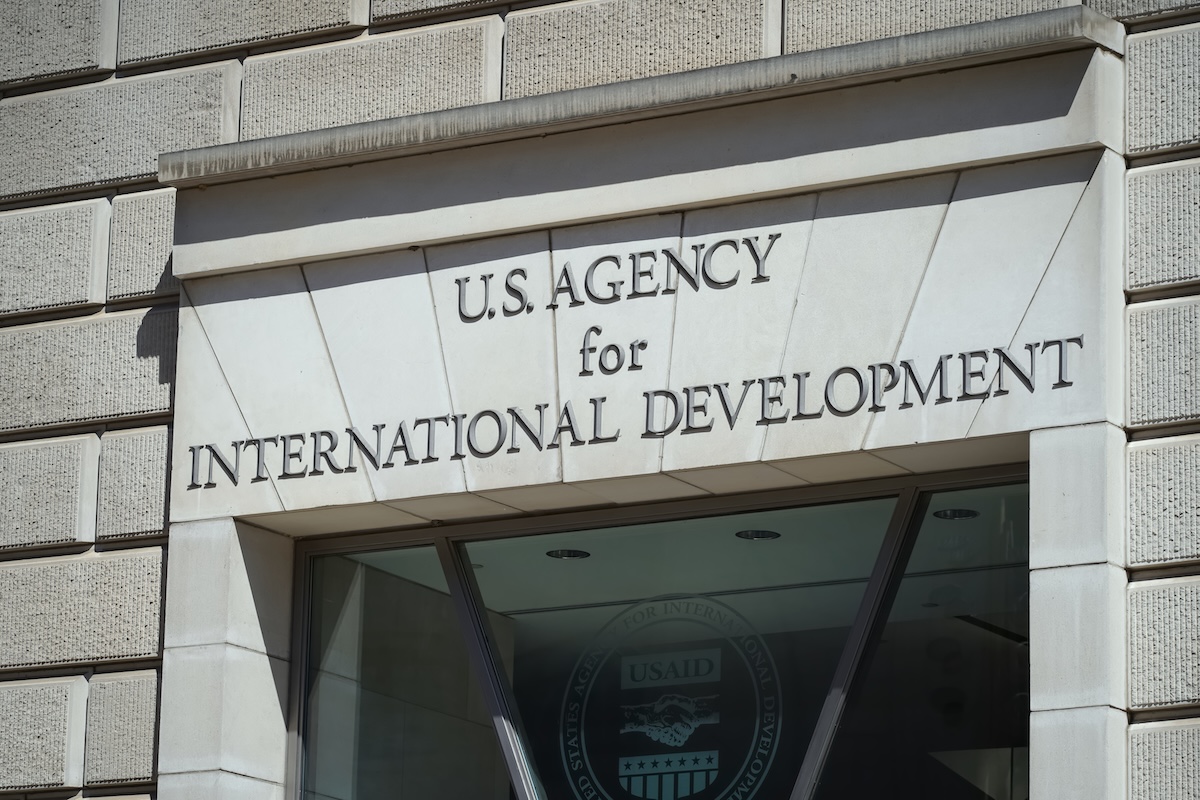
US Agency for International Development (USAID)
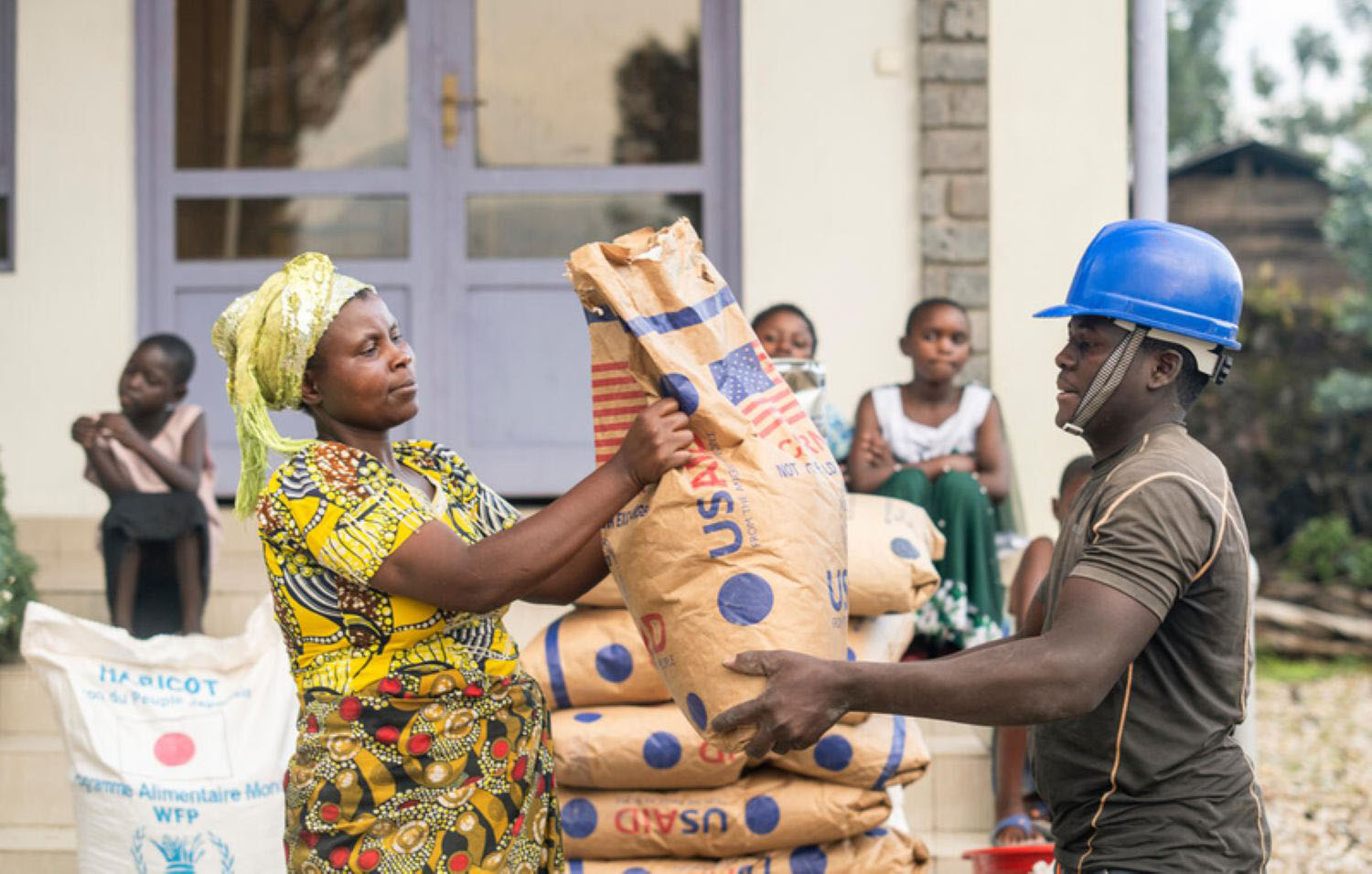
USAID plays an outsize role in advancing global development progress. Working in more than 120 countries, the agency manages the world’s biggest bilateral aid portfolio, totaling around $20 billion a year across a wide range of sectors, including health, education, economic growth, democracy promotion and humanitarian relief. CGD’s rigorous analysis of the agency over the years has made us a go-to source for advice and ideas for how to make US foreign assistance more effective and evidence-based.
Related Experts
Parent Topic
Related US Agency for International Development (USAID) Content


Pages
Since its establishment more than 50 years ago, the US Agency for International Development (USAID) has become a $17-billion-a-year agency stretched across the globe, operating in 125 countries and 36 different program areas. It covers nearly every development challenge, including those surrounding health, food security, microfinance, governance, counterterrorism, macroeconomic stability, trade, and transnational crime.
But USAID, the largest bilateral provider of development assistance in the world in absolute terms, could better maximize its development impact. It has been three decades since a US president instructed the agency to conduct a comprehensive top-to-bottom review of its programs. This is despite dramatic changes in basic development challenges around the world and in the broad economic and political landscape within which the agency operates.


Since its establishment more than 54 years ago, the United States Agency for International Development (USAID) has expanded into an $18-billion-a-year agency, operating in over 145 countries and in nearly every development sector. But USAID is often constrained in its ability to adapt to emerging development challenges due to differing political priorities among key stakeholders and resource constraints. This memo is the result of a roundtable discussion in July 2016 on how the next US administration, in close concert with Congress, can build upon and maximize the development impact of USAID.
The inclusion of White House chief strategist Stephen Bannon on the National Security Council (NSC), as a break from
After a splashy launch in April 2014, USAID’s Global Development Lab has been relatively quiet as it seeks to expand the Agency’s capacity in science, technology, and innovation. For the broader development community, however, much remains in question about how the Lab will function, what it will accomplish, and how it will contribute to USAID’s newly stated mission to end extreme poverty.
Pages
There is no content currently that matches this filter.


Commentary Menu