Humanitarian-Development Divide
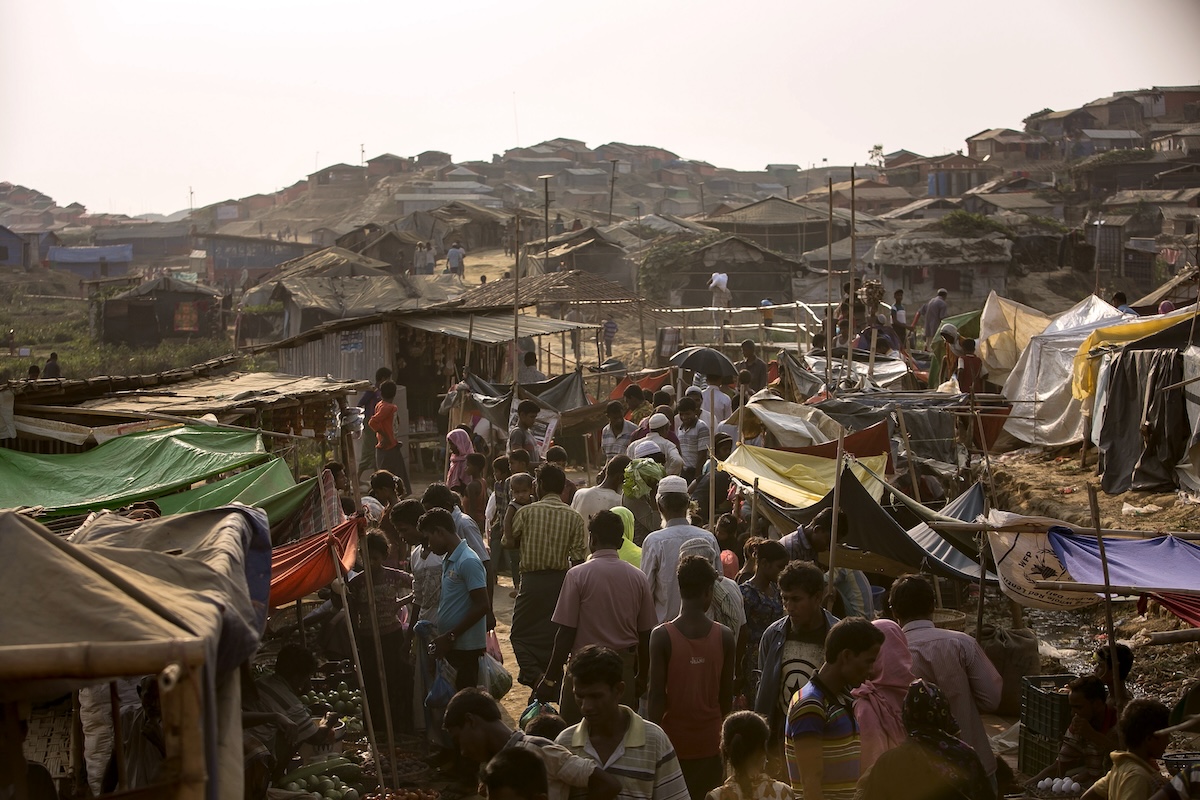
More than 66 million people live displaced from their homes around the world, including over 22 million in other countries as refugees. On average refugee status lasts 10 years. Almost 90 per cent of refugees live in developing countries, and they don’t live in refugee camps, but among local populations, creating tensions and straining already struggling economies. Today’s crisis of displacement cannot be solved with traditional short-term humanitarian aid. It also requires long-term development solutions. CGD research helps policy catch up to reality, by suggesting practical ways to bridge the humanitarian-development divide. A focus on innovative financing mechanisms and new actors entering the displacement space also helps unlock research and recommendations toward refugees becoming self-reliant while host communities likewise see development gains achieved.
Get Migration, Displacement, and Humanitarian Policy Updates
Related Working Groups
Parent Topic
Related Humanitarian-Development Divide Content


Pages


The global community is facing extraordinary shifts in forced displacement. Today, more people than ever before—65 million, including 21 million refugees—are displaced by conflict. Host countries are taking on great responsibility for these displaced populations, but with insufficient support. New partners and new models are required to meet the displacement challenge. This brief outlines a compact model with critical components, including shared outcomes for refugees, host country ownership and focus on longer-term transition, best practices for program design and management, and commitment to policy reforms.
Today, an unprecedented 65 million people—including 21 million refugees—are displaced from their homes. Still, as this report points out, the challenge is manageable—if the international community is able to get its response right. This report offers key principles for closing the humanitarian-development divide and practical guidance for designing effective compacts. We encourage policymakers and implementers alike to carefully consider these recommendations to ensure that humanitarian and development dollars have a real impact on the lives of refugees and host communities.
Attention presidential transition teams: the Rethinking US Development Policy team at the Center for Global Development strongly urges you to include these three big ideas in your first year budget submission to Congress and pursue these three smart reforms during your first year.

The international community has come together in new ways to address forced displacement—one of the biggest challenges of the early twenty-first century.
The World Humanitarian Summit in Istanbul on May 23 and 24th is taking place amidst major shifts in the humanitarian landscape. The upcoming Summit will provide an important opportunity to discuss the significant financing gap and important issues like transparency and effectiveness. But it will be a missed opportunity unless leaders agree upon concrete plans to address the new realities of displacement. Here are three areas where we’d like to see some progress.
Pages
There is no content currently that matches this filter.


Commentary Menu