
Recommended
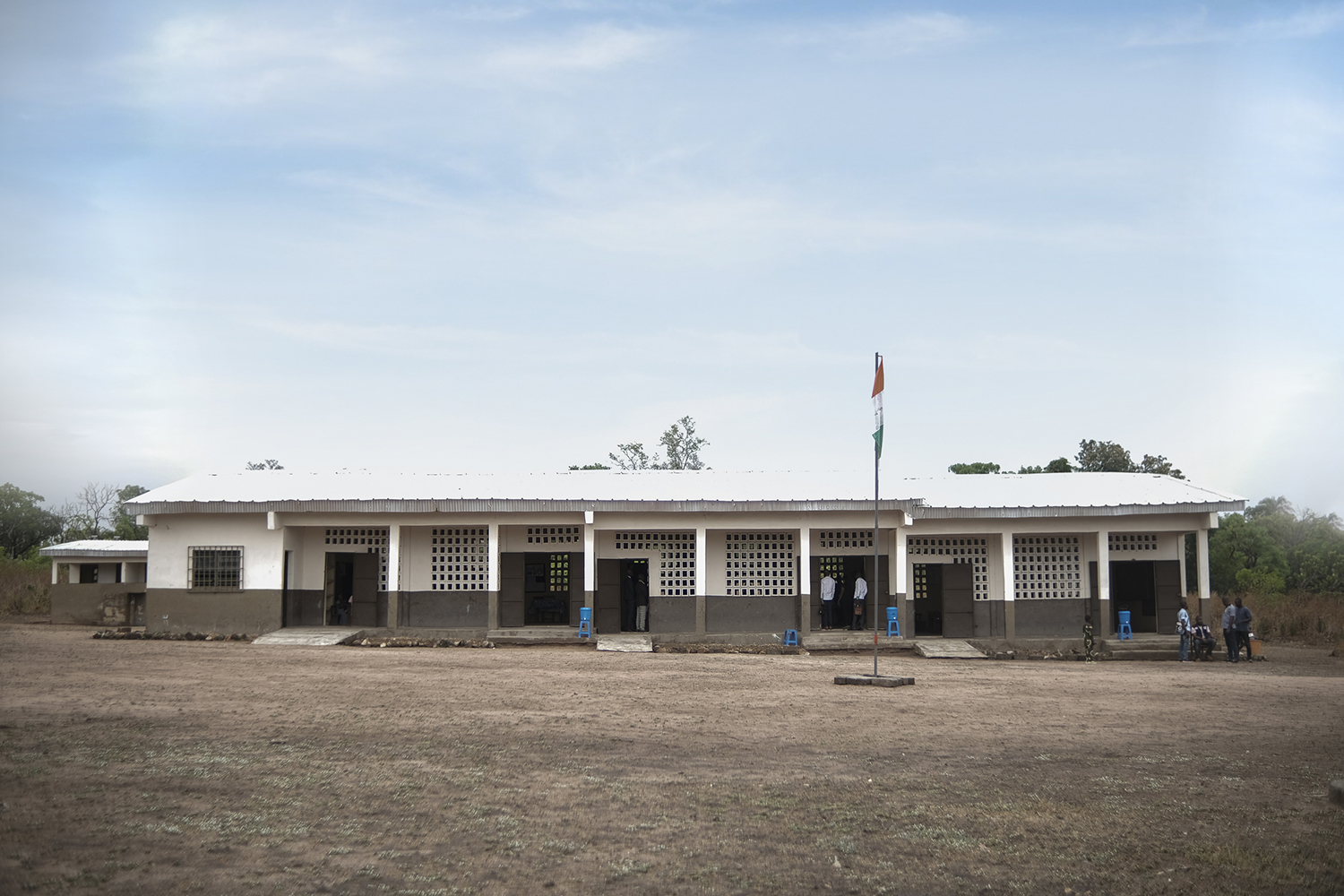
We estimate the impact of preprimary education on early childhood development in a sample of Kenyan three-year-olds. Our identification strategy exploits the fact that children in our sample are more likely to start school at age three rather than at age four if they live within a few hundred meters of the nearest primary school, though other household characteristics do not vary across such small distances. Instrumental variables estimation suggests that enrolling in preschool at age three has large positive impacts on vocabulary in children’s mother tongue, which is the primary language of instruction in preprimary. However, we do not find evidence that these short-term gains translate into persistent advantages in vocabulary or other measures of child development one to three years later.
Topics
CITATION
Jakiela, Pamela, Owen Ozier, Lia C.H. Fernald, and Heather A. Knauer. 2023. Preprimary Education and Early Childhood Development: Evidence from Government Schools in Rural Kenya. Center for Global Development.DISCLAIMER & PERMISSIONS
CGD's publications reflect the views of the authors, drawing on prior research and experience in their areas of expertise. CGD is a nonpartisan, independent organization and does not take institutional positions. You may use and disseminate CGD's publications under these conditions.
Thumbnail image by: Adobe Stock/Karel Noppe