
Recommended
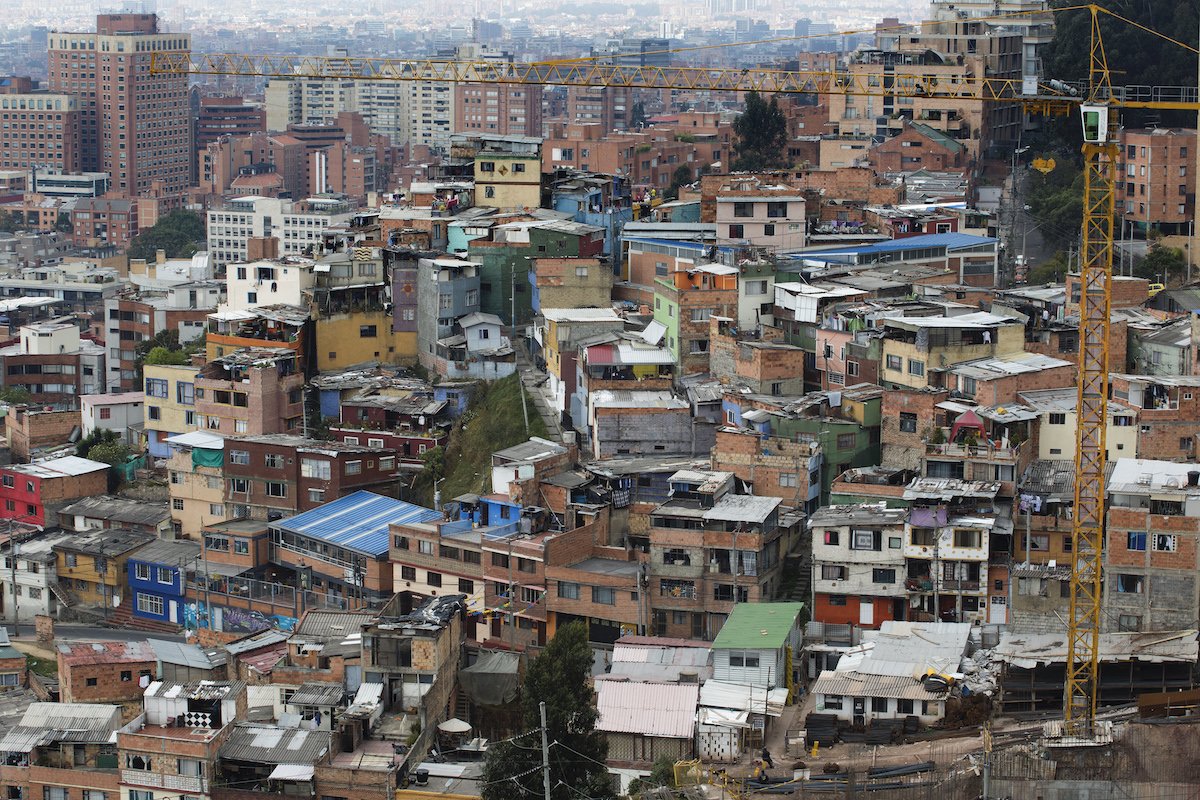
This paper is concerned with the following question: In a post-COVID-19 context, what type of economic growth will most likely end global poverty and reduce inequality? To answer this, we first survey the existing conceptual and empirical study of the poverty-inequality-growth relationship through the analysis of various forms of economic growth with adjectives, i.e. kinds of growth specified through attached adjectives including pro-poor growth, inclusive growth, and shared growth. We also revisit older discussions on redistribution with growth and growth with equity. We present a typology of growth episodes based on the associated changes in poverty and inequality. Second, we empirically re-examine all growth episodes in the developing world since 1980 and categorise them according to our typology. Third, we discuss the implications for when global poverty would be ended and what levels of inequality could exist in 2030 if each type of growth episode was replicated. The contribution of our paper is a typology of growth episodes based on poverty and inequality patterns; the application of said typology to the empirical relationship between poverty, inequality, and growth historically; and the provision of a new set of projections for the end of global poverty based on differing types of growth. We conclude that in the aftermath of the pandemic, countries will need to pursue historically unprecedented growth paths in order to achieve the poverty and inequality Sustainable Development Goals by 2030.
Topics
CITATION
Hoy, Christopher, and Andy Sumner. 2020. Growth with Adjectives: Global Poverty and Inequality after the Pandemic. Center for Global Development.DISCLAIMER & PERMISSIONS
CGD's publications reflect the views of the authors, drawing on prior research and experience in their areas of expertise. CGD is a nonpartisan, independent organization and does not take institutional positions. You may use and disseminate CGD's publications under these conditions.