

Fixing the Market for Neonatal Sepsis Diagnostics
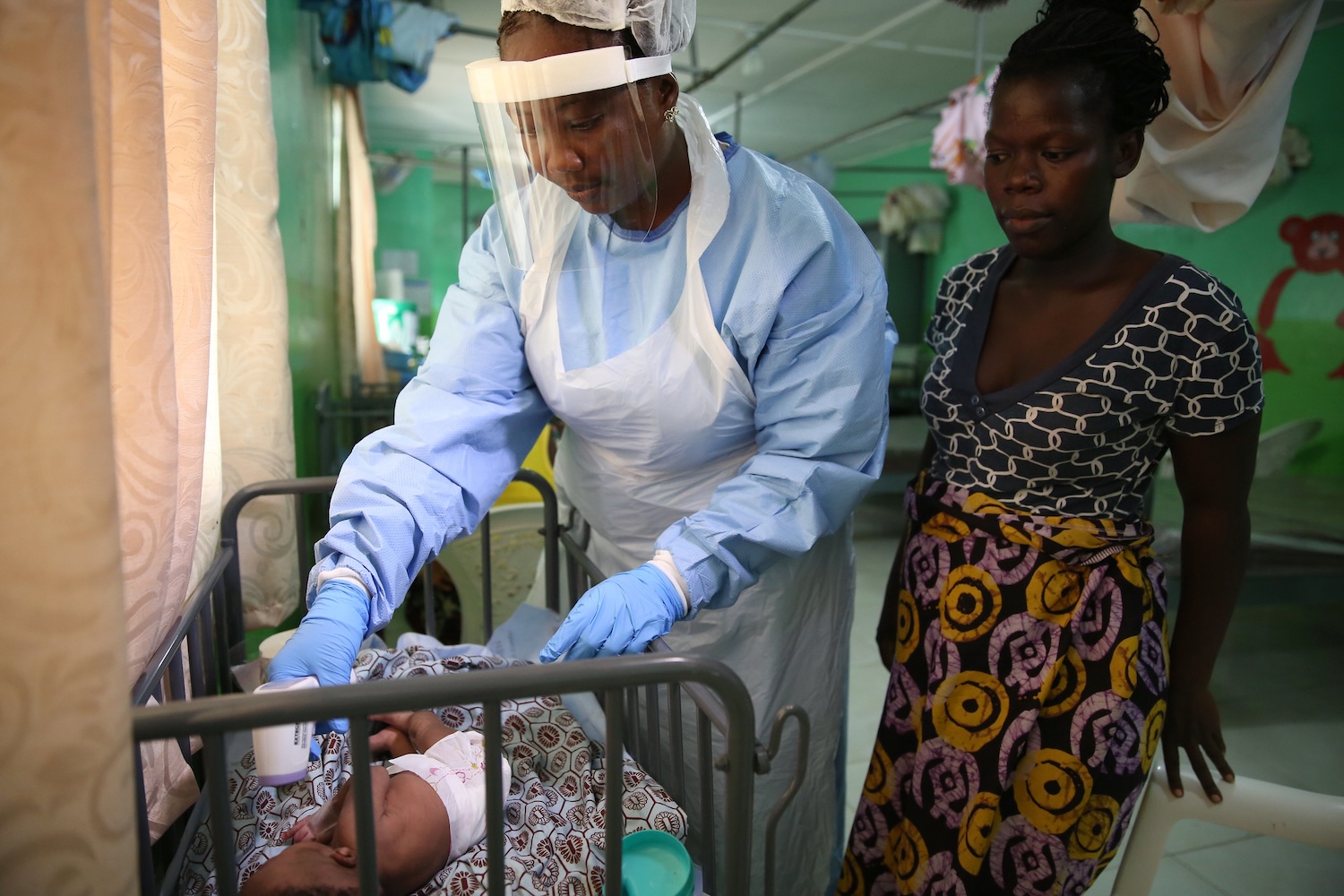
Neonatal sepsis is a major contributor to infant death and disability worldwide—it causes 400,000–700,000 deaths per year, mostly in low- and middle-income countries. Rapid diagnostic tests could reduce mortality and antimicrobial resistance. Our preliminary analysis shows that a diagnostic would cost-effectively save lives and reduce unnecessary antibiotic prescriptions. Despite this, no diagnostic currently exists, reflecting market failures which undermine the commercial incentives to invest in innovation. A CGD-MSA working group is developing an advance market commitment (AMC) to address these market failures and incentivize the development of rapid diagnostics for neonatal sepsis. The working group comprises world-leading experts in health, economics, and policy and is chaired by Lord Jim O’Neill; it builds on the success of the $1.5 billion pneumococcal AMC which was also incubated at CGD.
The NeoTest Playbook
Designing a pull incentive for neonatal sepsis diagnostics requires more than selecting a funding instrument. It requires aligned decisions across product definition, market design, country partnership, and implementation architecture.
A pull incentive must begin with clear and defensible product specifications. For neonatal sepsis diagnostics, key questions include:
- Why should we focus on neonatal sepsis diagnostics over other disease areas?
- What should a diagnostic do? Triage, pathogen identification, or antimicrobial sensitivity testing?
- What population of neonates would be tested?
- In what types of healthcare facilities would a test be most impactful?
- Is a diagnostic test cost-effective?
- What does the current technological landscape suggest is feasible?
Answering these questions requires epidemiological modelling, early health economic analysis, and assessment of technical feasibility and pricing structures. This work will culminate in a proposed final target product profile.
A pull incentive must address the specific market failures that slow the development and uptake of neonatal sepsis diagnostics. Key questions include:
- What are the binding market failures in this space?
- What are plausible development costs and timelines?
- How should a pull incentive be designed, based on the above, to accelerate innovation and scale-up?
This work will result in a finalised pull incentive design.
Country systems ultimately determine whether a diagnostic is approved, procured, financed, and used. Key questions include:
- Which countries are most likely to benefit from and engage with a neonatal sepsis diagnostic?
- How are diagnostics approved, procured, and incorporated into clinical guidelines?
- What evidence do decision-makers require to support adoption?
- What priorities and concerns have emerged from stakeholder engagement?
Over the coming months, we will publish reports sharing key insights gleaned from our work with countries. These insights will directly inform the TPP, the pull mechanism design, and the operational structure.
Even a well-designed incentive must be translated into contracts, institutions, and verification systems. Key questions include:
- What institutional arrangements are required to hold and disburse funds?
- How will performance against the TPP and uptake benchmarks be verified?
- How should contracts balance credibility, flexibility, and competition?
- How can the design function in a fragmented procurement landscape without a centralised global buyer?
This work will culminate in a proposed implementation model and contract structure, alongside identification of implementation partner(s) capable of managing funds and risk credibly.