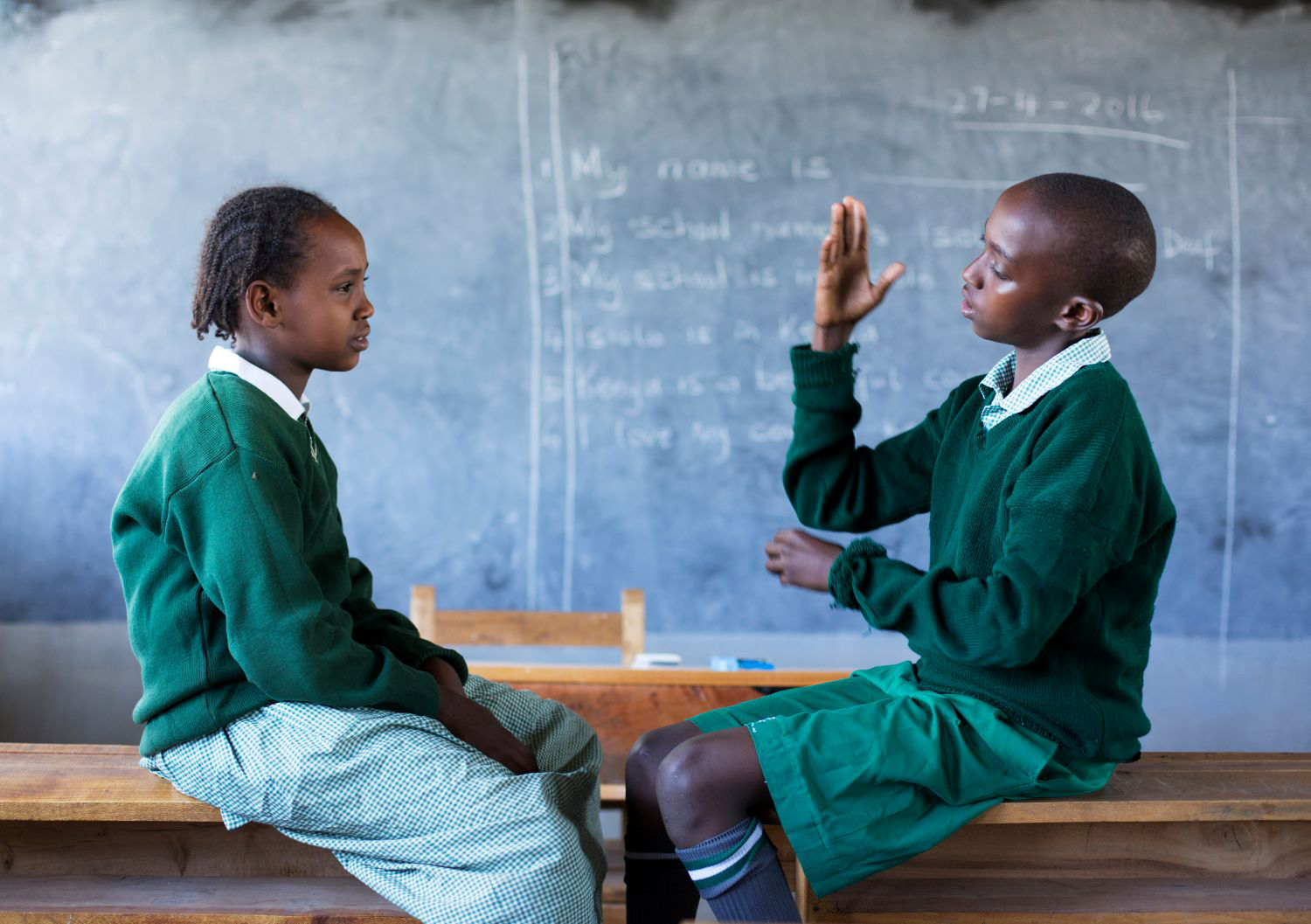
School-related violence continues to be a widespread and consequential challenge globally. It undermines students’ safety, learning, and other educational outcomes, as well as the overall well-being of both students and teachers. From bullying and corporal punishment to sexual violence occurring in and around schools, the impacts of school-related violence extend far beyond the classroom.
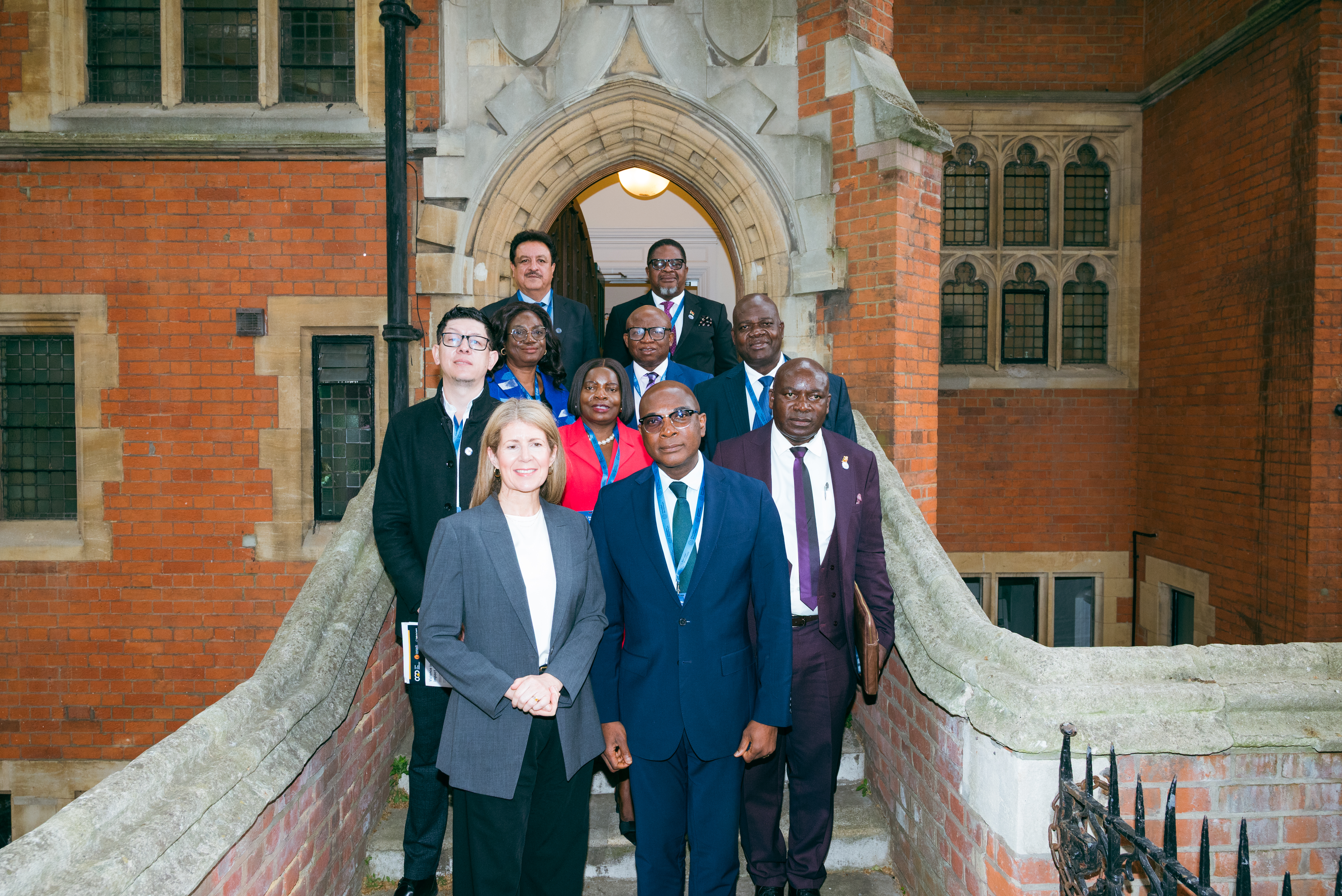
On February 10 and 11, we hosted a workshop that convened researchers from a range of sectors (including public health, economics, and education), each bringing their perspective on how to address this global challenge. The workshop showcased 18 presentations on school-related violence in low- and middle-income countries, covering the causes, the consequences, and the solutions. Scholars from more than 10 countries—spanning five continents—presented their work. In addition to the research presentations, the workshop included a policy panel, which connected research and practical experience to illuminate a path toward reducing violence in and around schools.
Here is a whirlwind roundup of every presentation plus a few takeaways, with links to key moments in the event video.
How big and how bad is school-related violence?
- We can do better at measuring how widespread violence is. In Malawi, using “audio computer-assisted self-interviewing” technology to ask children about violence (basically, you give a tablet and headphones to the child, and then the child listens to the questions and directly inputs their answer), more than doubled disclosures of sexual violence perpetrated by the school staff relative to traditional, face-to-face interviews. (Watch Smarrelli’s talk.)
- Illicit economic activities contribute to the prevalence of violence. In Eswatini, a mixed-methods study focused on one region assessed how economic hardship drives students’ engagement in activities like selling drugs, which in turn contribute to violence: 41percent of students reported involvement in dagga (cannabis)-related disputes. (Watch Thwala’s talk.)
- Teachers are also victims of violence. In Cameroon, evidence shows that the school staff experience forms of physical and emotional violence from students. Student experience of violence in the home explains part of this. (Watch Poutong’s talk.)
- Adolescents in more than a dozen countries highlighted the adverse mental health impacts of violence, perpetuated by restrictive social norms and the emotional distress this generates. (Watch Ramaiya’s talk.)
- In Nigeria, bullying and sexual violence were associated with lower self-esteem. But students who had support from family and friends saw those negative effects reduced. (Watch Orjiakor’s talk.)
What about particularly vulnerable groups?
- Mixed-methods research in schools in conflict-ridden northwest Syria revealed that children with disabilities are largely absent from surveys of violence; that sexual violence mostly goes unreported; that children report restrooms as unsafe; and that low reported numbers of violent incidents can’t be read as success against violence when children don’t feel safe reporting. (Watch Hafez’s talk.)
- In Sierra Leone, research using participatory approaches showed that, among children with disabilities, boys experience more severe forms of corporal punishment, while girls face higher levels of sexual harassment from peers, teachers, and community members. (Watch Kaindaneh’s talk.)
- Despite the two exceptions above, most studies on school-related violence don’t report anything about how impacts differ by gender, socioeconomic status, race and ethnicity, and disability status. (Watch Eldred’s talk.)
What are societal views on school-related violence?
- In Uganda, corporal punishment in schools has been banned for a decade. Despite the ban, however, mixed-methods research shows that youth continue to experience corporal punishment, and that the youth have conflicting views: although there is less tolerance for corporal punishment than before, many still find it acceptable. (Watch Parkes’ talk.)
- In Ghana, social media comments reacting to three incidents of peer-to-peer physical violence show tensions between what some view as Western versus African values, with some calling for returns to corporal punishment in schools to discipline students. (Watch Addai-Munumkum’s talk.)
And the million-dollar question (or the 11 trillion dollar question, depending on how you calculate it), how can we prevent school-related violence?
- In Peru, training students via classroom discussions about the importance of reporting violence—combined with the promotion of an online platform to report violent incidents anonymously—reduced school violence and, several years later, reduced school dropouts, boosted test scores, and even reduced later crime among people who had been perpetrators. (Paper coming soon from Ñopo and others!)
- In China, a four-month empathy-building program via a mobile app that provided activities for parents to do with their middle-school children resulted in reduced bullying and increased admission to elite high schools. (Watch Hu’s talk.)
- In India, a multicomponent intervention that combined teacher training in positive discipline, student empowerment curricula, parent engagement circles, and an anonymous reporting system (complaint boxes) successfully reduced school-related violence. (Watch Srivastava’s talk.)
- Another multicomponent intervention in Zambia—focused on creating clubs that were safe spaces for boys and for girls, separately—increased students’ discussions about violence but did not lead to meaningful reductions in overall violence. Findings suggest this was due to institutional barriers and implementation challenges, including reliance on voluntary teacher-mentors with multiple responsibilities and lengthy curricula that placed a burden on program participants. (Watch Friedson-Ridenour’s talk.)
- In El Salvador, having police patrol around schools at entry and exit times, plus police-led talks to students about the risks of gang recruitment, reduced school dropout rates and gang-related juvenile detentions. (Watch Castro’s talk.)
- Out of 160 studies examining how to reduce school-related violence, only 13 included any educational outcome, and fewer than half of those reported test scores. We need more studies to understand how reducing violence affects learning and other educational outcomes. (Watch Devries’ talk.)
- Two presentations focused on innovative proposals or projects at too early a stage to have results. For example, school libraries could potentially be a safe space to address violence in and around schools. (Watch Mensah Danquah’s talk.) And in Pakistan, midline results from an impact evaluation of subsidized, girls-only pick-up and drop-off transport services showed that improving transportation positively shifted perceptions of safety and increased girls’ school enrollment. (Watch Gaddis’ talk.)
The future
The workshop highlighted new evidence on many dimensions of school-related violence: how we measure it, how it affects different groups of children, and what works to prevent it. From the presentations and conversations, three key messages stand out.
First, violence is preventable. We have a growing body of evidence showing how to prevent violence in different settings around the world, including new work demonstrating how reducing violence can improve educational outcomes.
Second, we have much to learn from failures as well as successes. Implementation challenges can hamper the effectiveness of interventions, and social norms can mitigate the potential benefits of interventions and policies. But even when programs and policies fall short, policymakers and others can learn to improve implementation in future efforts.
Third, there are lots of big questions remaining: what approaches work best in which settings? How can programs be implemented at scale? How can we make sure school is a safe place, especially for the most vulnerable children (such as those with disabilities or those experiencing violence at home)?
In future posts, we will share lessons on how evidence meets day-to-day reality from the policy panel and what we see as the future of research in this area.