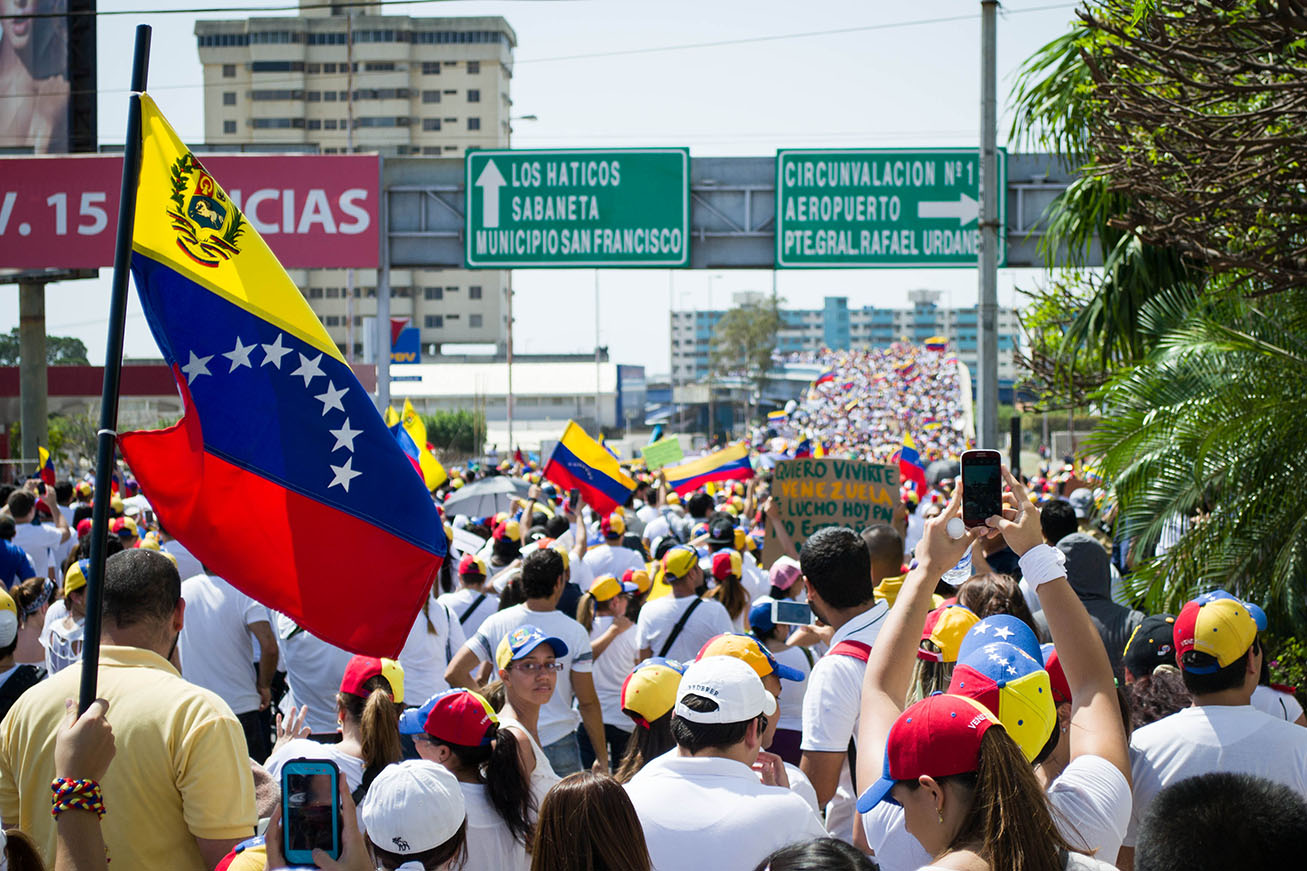

At the end of the 1990s the future of Latin America seemed grim in the face of four devastating problems--slow and unsteady economic growth, persistent poverty, social injustice, and personal insecurity. For 10 years Latin America had pursued--with considerable vigor--the 10 economic policies that make up the Washington Consensus, the growth formula promoted by the U.S. Treasury and the international financial institutions. But performance fell far short of expectations, and a new approach was needed.
We created a task force to identify more effective economic and social policies for Latin America. The independence of our two institutions--the Carnegie Endowment for International Peace and the Inter-American Dialogue--allows us to raise issues that are difficult to raise in polite, official discourse: capital controls as a solution to currency crises, the need for more taxation in most of Latin America, the myth of race-blind societies in the region, corruption in labor unions. We can also talk about the mistakes of specific countries and their leaders, and we do not have to hedge our recommendations.
This book is also available in Spanish (pdf, 320KB)
Topics
CITATION
Birdsall, Nancy, Augusto de la Torre, and Rachel Menezes. 2005. Washington Contentious: Economic Policies for Social Equity in Latin America. Center for Global Development.DISCLAIMER & PERMISSIONS
CGD's publications reflect the views of the authors, drawing on prior research and experience in their areas of expertise. CGD is a nonpartisan, independent organization and does not take institutional positions. You may use and disseminate CGD's publications under these conditions.