In the global push to address the crisis in foundational learning, particularly across sub-Saharan Africa, the focus has rightly been on improving the quality of teaching. But even the most innovative instructional methods fail if they are not delivered consistently in the classroom.
At the heart of the matter is teacher time on task—the class time a teacher is actively engaged in instructing students and keeping those students engaged. Decades of research have documented the problem: low teacher time on task is widespread across sub-Saharan Africa and low- and middle-income countries elsewhere, directly harming student learning outcomes. Major initiatives from UNICEF’s “Time to Teach” series to the World Bank’s Service Delivery Indicators and studies across Latin America have meticulously measured teacher presence and activity, providing a clear picture of the challenge.
Unannounced visits to 1,600 schools in seven sub-Saharan African countries found that of 16,543 teachers on school rosters, 42 percent were absent from class and 23 percent were absent from the school. A 2018-2019 UNICEF survey of over 1,500 teachers across 11 countries in Central and West Africa revealed that the primary reasons for not using instructional time included absence for health issues, lack of teaching materials, and administrative burdens.
Importantly, teacher absences and tardiness are not the whole story. Student absences and tardiness are equally critical drivers of instructional time loss. Recent research shows that many students miss substantial amounts of school, with implications as significant as teacher absence for learning outcomes. Surprise school visits across eight sub-Saharan African countries found student absence rates ranging from 16 percent in Kenya (2012) to 48 percent in Mozambique (2016). Importantly, absence rates are consistently higher for students from disadvantaged families, contributing to inequality in learning outcomes, dropout rates, and returns to education.
The critical question now is how to solve this problem. We have growing evidence on how to improve the quality of teaching, but our knowledge of effective, scalable interventions for improving instructional time is still nascent. The What Works Hub for Global Education is working to build and disseminate evidence on cost-effective and scalable solutions; this is an area where more innovation and evaluated country experience is needed.
The problem in three acts: A framework for solutions
Low teacher time on task can be broken down into three distinct, yet interconnected, types of teacher absence:
- Absence from school, when the teacher is not present on school grounds during official hours. Reasons may be entirely legitimate (teacher health, climate shocks, or family emergencies) or systemic (collecting paychecks, attending to official school or government business), but most schools lack the capacity to substitute for absent teachers.
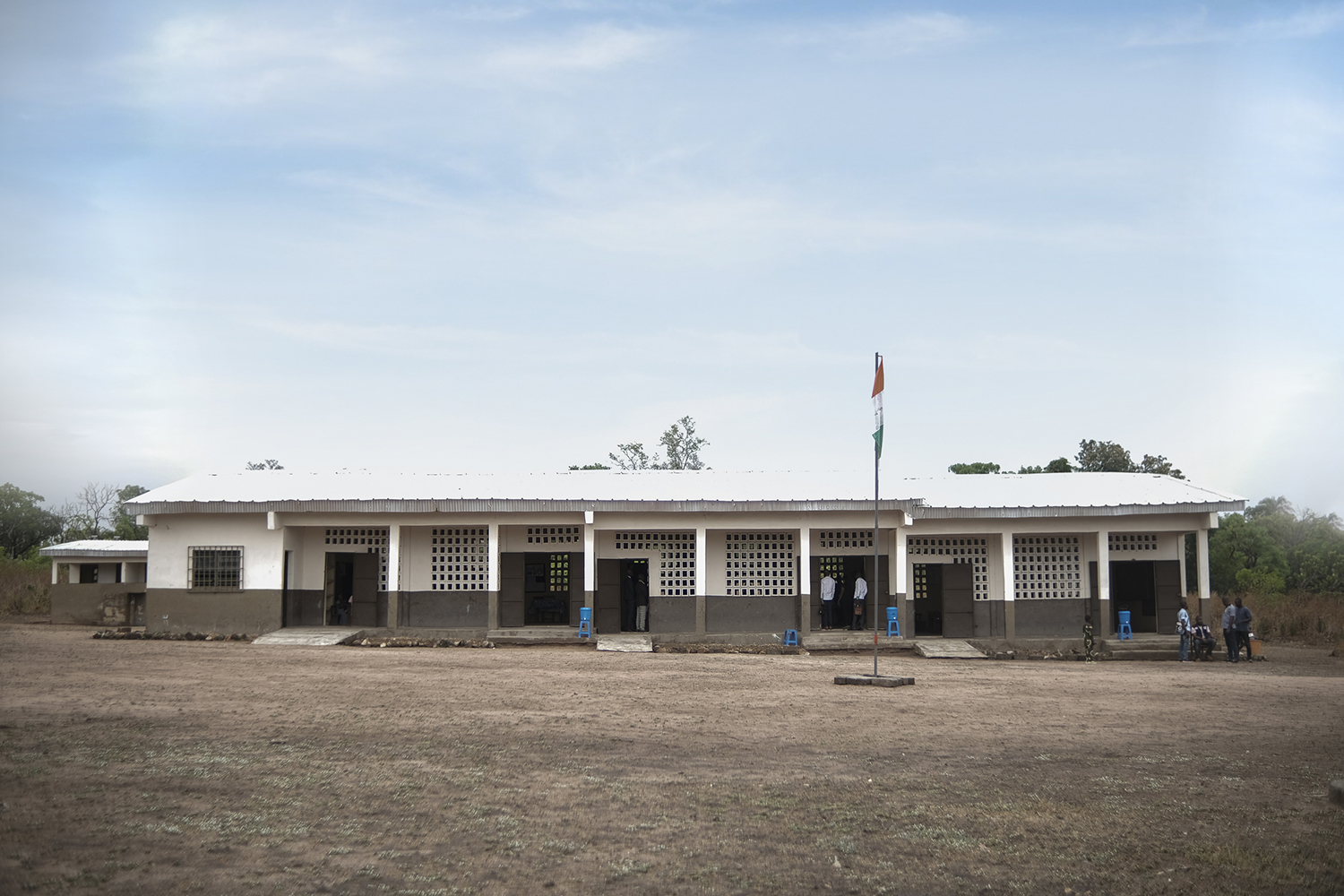
- Absence from the classroom, when teachers are at school but not in their assigned classrooms. In addition to a lack of monitoring, accountability, causes include administrative duties, too many preparation tasks, and a lack of classroom infrastructure (rain-damaged rooms or eroded blackboards, for example).
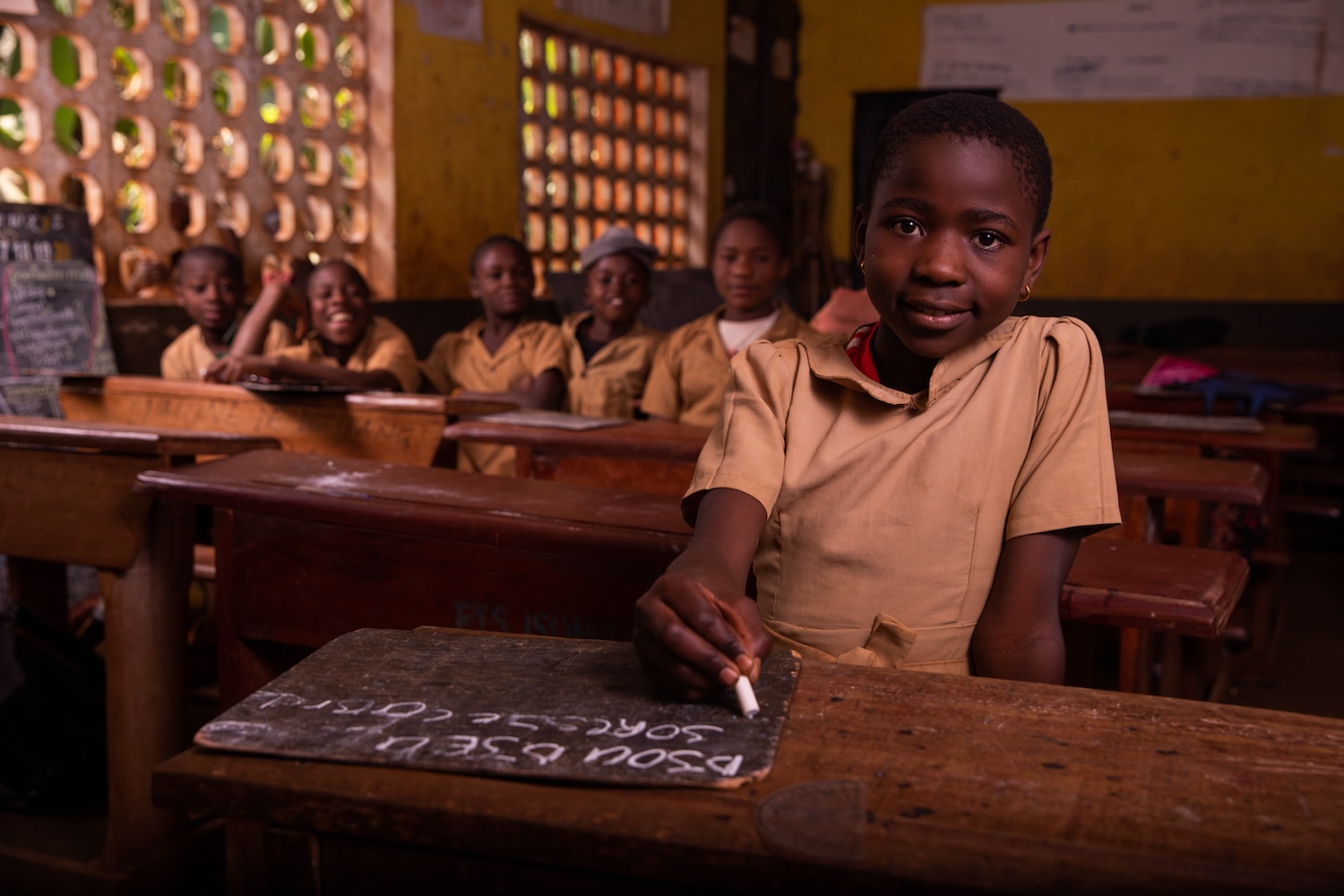
- Lost time in the classroom, when the teacher is in the classroom but not actively teaching. Instructional time may be lost to factors such as late arrival or early departure, interactions with other teachers or parents at the classroom door, ineffective classroom management, weak mastery of curriculum content, lack of teaching materials, or lack of motivation. Classroom observation research also reveals that even when teachers are in the classroom delivering instruction, they are often not able to keep the entire class engaged. Leaving a large share of students “tuned out” also means lost instructional time.
Understanding these distinctions is crucial. An intervention aimed at getting teachers to school won’t solve the problem of a teacher who is present but not effectively using the time for instruction. And instruction cannot improve the learning results of students who are not engaged.
Solutions: From evidence to action
The evidence, though fragmented, suggests a range of approaches to improving teacher time on task, including:
Absence from school:
Absence from the classroom:
- streamlining administrative tasks by using technology and/or assigning these tasks to dedicated staff
- clear job descriptions and accountability
- attention to classroom infrastructure
- mentoring to help principals handle issues of teacher and student absence
- creating “lateral accountability” pressure by organizing time for teachers to work together
Lost time in the classroom:
- structured pedagogy and lesson plans
- TaRL programs (Teaching at the Right Level) to group students and make teachers’ work more effective
- specialized training and support for teachers in rural multigrade schools, such as the Escuela Nueva
- catch-up programs such as the Luminos Fund’s Second Chance program and Brazil’s “acceleration classes”
- teacher training emphasizing time on instruction and keeping students engaged
- support for teachers’ socioemotional learning and understanding of different “mindsets”
- targeted support for students and teachers with absence issues
In Brazil, teacher training focused on maximizing instructional time and student engagement increased average time on instruction from 70 to 77 percent in one school year and increased student engagement in the schools where it was most problematic. Research in Peru showed gains in teacher effectiveness from a well-designed mentoring program.
The research agenda from here
Key questions and gaps remain:
The complementarity of pedagogy and time on task: Both improved pedagogy and increased instructional time boost learning, but we lack evidence on the comparative cost-effectiveness of interventions focused on each, or what strategies best capture their complementarities. Future research to explore this relationship will help to guide investment decisions.
The political economy of reform: Interventions involving stronger accountability for results, such as performance-based pay, can be politically sensitive and meet opposition from teacher unions. In contrast, investments in training on pedagogy and classroom management may be more politically feasible. We need to understand which policy levers are impactful, cost-effective, and can be implemented at scale.
Teacher health and well-being: The fact that “poor health” is a leading reason for absence suggests this issue needs central attention. Are these health problems linked to poor working conditions, such as a lack of functioning toilets for female teachers, distance and lack of transport to school, or stressful work environments? Research on Indonesia revealed the stress that young teachers felt about neglecting their students because they were expected to handle many IT and reporting functions for the school. Supporting teachers’ social-emotional learning, especially in connection with the power of more positive expectations for their students, can also improve teachers’ effectiveness and reduce absenteeism. One of the strongest motivators of teacher effort is seeing their students learn.
Leveraging existing data: We have a treasure trove of data in the World Bank’s Service Delivery Indicators, UNICEF’s “Time to Teach,” and the Global Education Policy Dashboard, but there has been little attention to cross-country analysis of these data. Comprehensive classroom observation instruments that measure both qualitative and quantitative dimensions of teacher practice, such as TEACH PLUS, and ENGAGE, can steer school systems toward the most promising training directions. Using common instruments for classroom observations across different research programs can accelerate our learning.
It’s time for a collaborative effort between the World Bank, the Global Partnership for Education, the What Works Hub for Global Education, and J-PAL to develop a consistent approach to classroom observation and build a joint database on what works. Parallel interventions in different countries using the same metrics will lead to faster and better evidence about “what works,” “where,” and “how” to maximize instructional time.
A call for evidence-driven action
Instructional time is the most precious resource of any education system. All elements of education spending—buildings, curriculum, books, materials, teacher salaries, training, school feeding, administration—are part of the huge investment behind every hour of instruction. Any significant loss of instructional time is costly for education systems and threatens global education progress.
The path to improving foundational learning is no longer a mystery: today, it is a challenge of implementation research. We can accelerate useful evidence by prioritizing common instruments for measuring time on task, especially those measuring both qualitative and quantitative dimensions. There will be a payoff to research that generates directly comparable metrics on teacher-student interactions in the classroom, both across countries and over time. The latter is particularly essential for evaluating how programs and reforms go to scale.
Global education goals cannot be met without better use of instructional time. It’s time to build a robust evidence base for what truly works to keep teachers at school, in the classroom, and engaging all students in learning—to ensure that every minute of instructional time counts.
We would like to thank the Gates Foundation for supporting a review of teacher time on task evidence that inspired this blog. We are grateful to Benjamin Piper, Clio Dintilhac, Asyia Kazmi, Noam Angrist, Rachel Hinton, Luis Benveniste, Jaime Saavedra, Deon Filmer, David Evans, Peggy Dubeck, Sharon Schroen, Tassia Cruz, Eduardo Heck de Sá, and Noah Yarrow for their insightful comments, conversation, and engagement with our work on teacher time on task and classroom observation.